
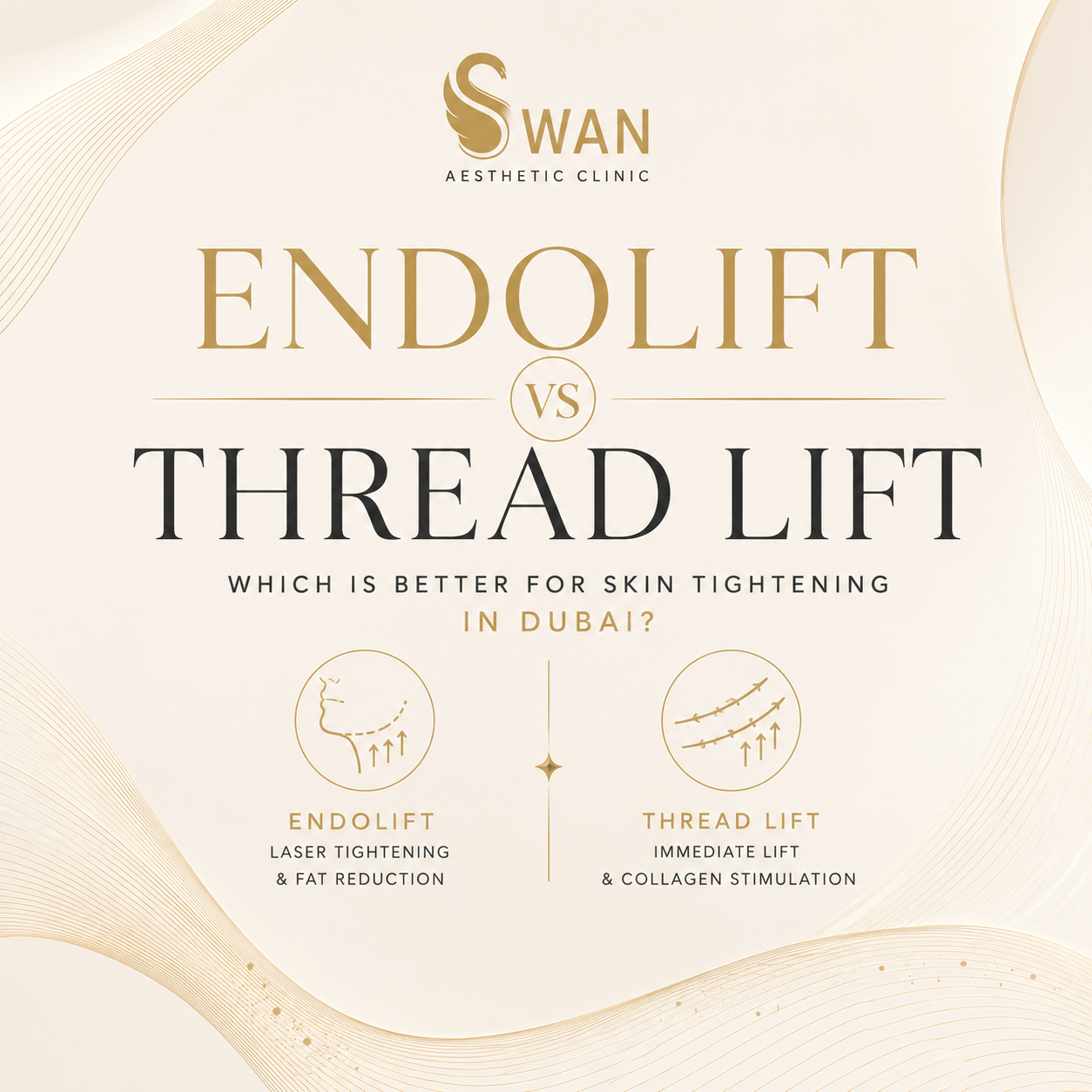
Face Endolift vs Thread Lift – Which is better for skin tightening in Dubai?
Two treatments come up more than any others when people in Dubai start researching non-surgical alternatives to a facelift: Endolift and the thread lift. Both address skin laxity. Both work without surgery. Both produce results that, at first glance, sound similar. The question of which one is right for a specific person is not answered by deciding which sounds more advanced. It is answered by understanding what each one actually does, and matching that to what the skin actually needs.
This is a genuinely useful comparison to make, because the two treatments are more different than their surface-level descriptions suggest.
How a thread lift works
A thread lift uses fine, dissolvable sutures inserted beneath the skin using a needle or cannula. The threads are barbed, and once in position they are pulled to mechanically lift the tissue upward and anchor it in a new position. The lift is immediate and visible from the day of treatment.
The threads themselves dissolve over approximately six to nine months. But the result does not disappear with them. As the polydioxanone (PDO) material breaks down, it triggers a localized inflammatory response that stimulates fibroblast activity and new collagen production in the tissue surrounding the thread. A 2024 trial published in the Aesthetic Surgery Journal reported a 40% increase in collagen density in treated areas at six months post-procedure. The collagen framework built during this period is what sustains the lift after the threads are gone, typically for twelve to eighteen months in total, sometimes longer depending on age, skin quality, and lifestyle.
Thread lifts are well suited to clients who want a visible, immediate change in contour. They work by physically repositioning tissue rather than remodeling it from within, which makes them particularly effective for the midface, cheeks, and brow where a directional lift produces a clear improvement. They are less effective for areas where both laxity and fat are present simultaneously, and they do not address skin quality or texture.
How Endolift works
Endolift takes a fundamentally different approach. Rather than mechanically lifting tissue, it delivers laser energy directly beneath the skin’s surface through an ultra-fine fiber-optic probe. The 1470nm diode laser converts to localized heat subcutaneously, causing two simultaneous effects: immediate contraction of the connective tissue septa that support the skin’s architecture, and the initiation of neocollagenesis, the progressive production of new Type I and Type III collagen fibers over the following months.
Uniquely among non-surgical tightening options, Endolift also addresses subcutaneous fat. The laser energy disrupts small fat deposits in the treated area, which is particularly relevant for the jowls, under the chin, and the lower face where localized fat redistribution often accompanies laxity. Thread lifts do not address fat at all.
A 2024 systematic review in Aesthetic Plastic Surgery covering 23 studies on the 1470nm intralesional diode laser confirmed favorable efficacy and safety across face and neck lifting, skin laxity improvement, and wrinkle reduction. Results develop more gradually than a thread lift. The full outcome takes three to six months to appear, but the longevity is longer, with results typically lasting one to two years and in some cases beyond.
The honest differences
The most important distinction between the two treatments is not which one is newer or which sounds more sophisticated. It is what each one is structurally doing to the tissue.
Thread lift: mechanical repositioning of sagging tissue, immediate visible lift, collagen stimulation as a secondary benefit, no effect on fat, results sustained by the collagen built while threads dissolve.
Endolift: internal laser remodeling of connective tissue and fat, gradual improvement over months, simultaneous fat reduction, longer-lasting result driven by progressive neocollagenesis.
In Dubai’s climate, where cumulative UV exposure means skin often presents with both laxity and textural deterioration alongside localized fat, the combination concern is relevant. A treatment that addresses only one of those layers will produce a partial result. This is why many clients at Swan benefit from a clinical assessment before deciding. The right choice depends on what is actually happening in their specific anatomy, not on which treatment name they arrived with.
Downtime and recovery
Both treatments have minimal downtime relative to surgery, but they are not identical in recovery experience.
After a thread lift, clients typically experience mild swelling, bruising, and some tightness in the treated area for three to five days. There may be some dimpling or irregularity at the thread entry points, which resolves within a week or two. Strenuous exercise, facial massage, and anything that involves significant facial movement should be avoided for the first two weeks to allow the threads to anchor properly.
After Endolift, swelling and redness in the treated area settle within 24 to 48 hours. Most clients are comfortable returning to their usual routine the following day. In Dubai’s heat, both treatments require avoiding direct sun exposure and heavy exercise for the first 48 hours, and consistent SPF application is essential in the weeks following either procedure to protect the collagen response being generated.
Which suits which person
This is where a direct answer is most useful, and where honest clinical guidance matters more than marketing:
- Endolift suits clients who have mild to moderate laxity combined with localized fat deposits, particularly in the lower face, jowl, submental area, or neck. It also suits anyone wanting gradual, longer-lasting improvement without visible signs of having had a procedure, and those with darker skin tones where the internal laser delivery minimizes surface risk.
- Thread lift suits clients who want an immediate, visible directional lift, particularly in the midface, cheek, and brow, and who are comfortable with slightly more post-treatment awareness in the first week. It is also effective for clients whose concern is primarily sagging without a significant fat component.
- Both together is increasingly used for clients in Dubai who want the structural repositioning of a thread lift combined with the tissue quality improvement and fat reduction of Endolift. Used in the same treatment plan, they address complementary layers of the aging face. Swan’s guide to Endolift and lifting treatments covers how these approaches are combined in practice.
Neither treatment is appropriate for significant skin excess or advanced structural sagging. Those presentations are better served by surgical consultation.
The right answer starts with an honest assessment at Swan Aesthetic Clinic Dubai
Swan offers both Endolift using the Forza laser system and PDO thread lifting as part of a treatment framework built around individual anatomy rather than a preferred technique. The practitioners here work with both regularly, which matters: a clinic that only offers one of these treatments will always find a reason it is the right one.
What the comparison above cannot tell you is which layer of your face needs the most attention, how much fat is contributing to the change in contour, or whether your skin quality would benefit more from remodeling than repositioning. Those answers come from looking at your face specifically, not from a general guide.
The contact page is the starting point if you want that conversation.
Read Recent Articles
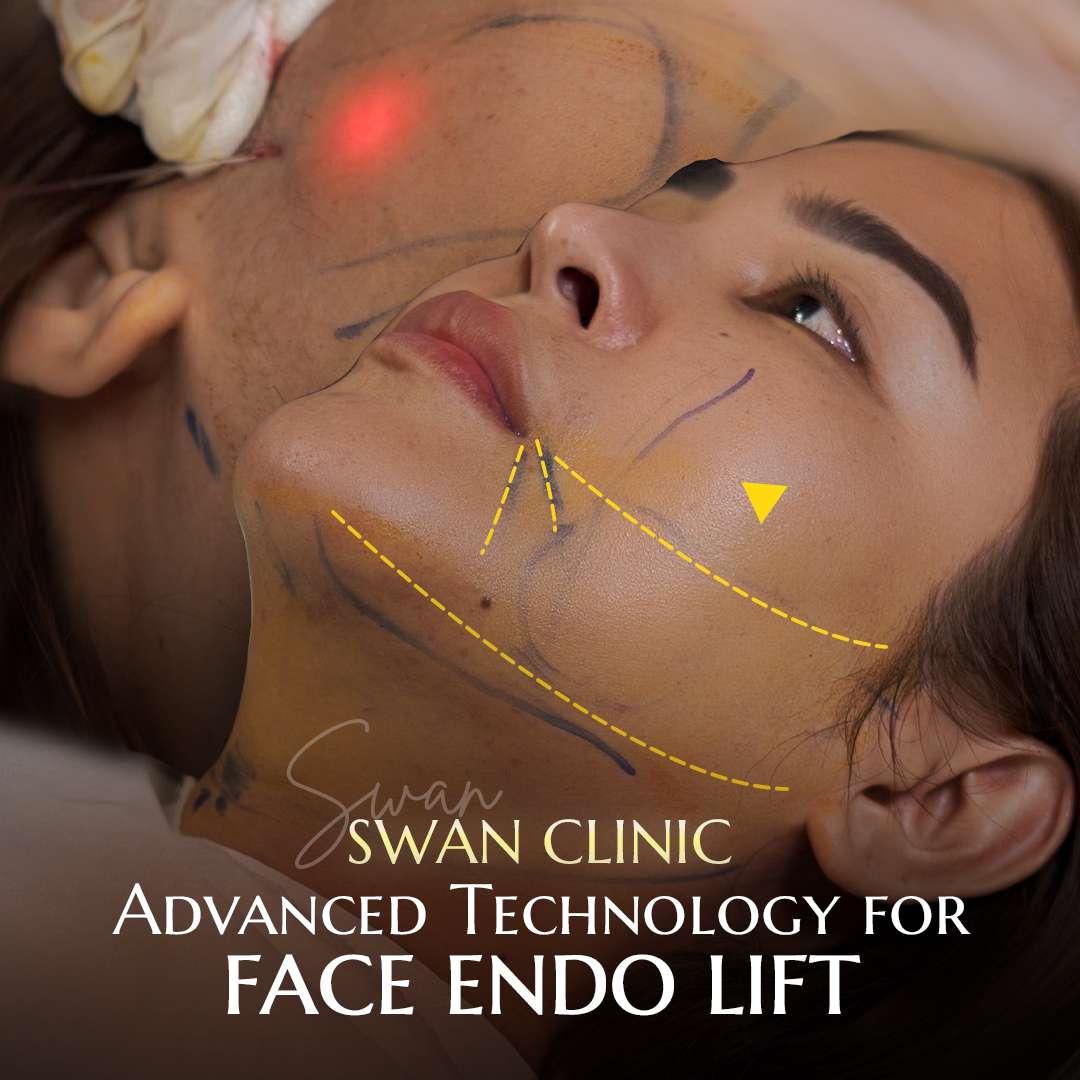
Face Endolift in Dubai – Advanced Laser Technology for a Naturally Lifted, Sculpted Look
Aging, stress, and environmental factors can lead to sagging skin, loss of elasticity, and facial co
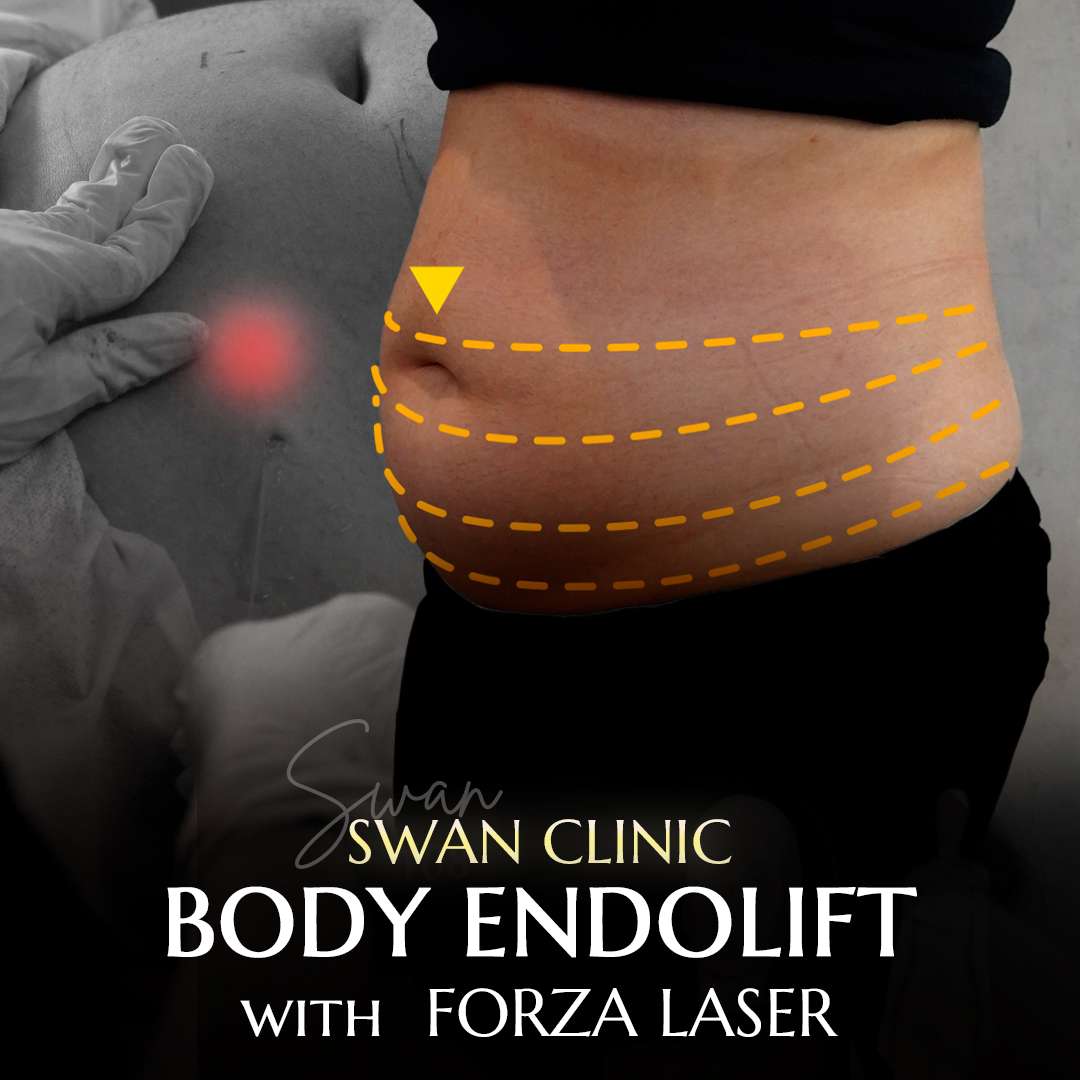
Body Endolift for Belly & Flanks With Forza Laser in Dubai – A Modern, Painless Fat-Reduction Technique
Did you know? According to recent global aesthetic statistics, more than 60% of patients searching f
Endolift Dubai – What it is, how it works, and who it is for
Something changes in how the face looks in the mid-thirties that is distinct from anything that happ


