
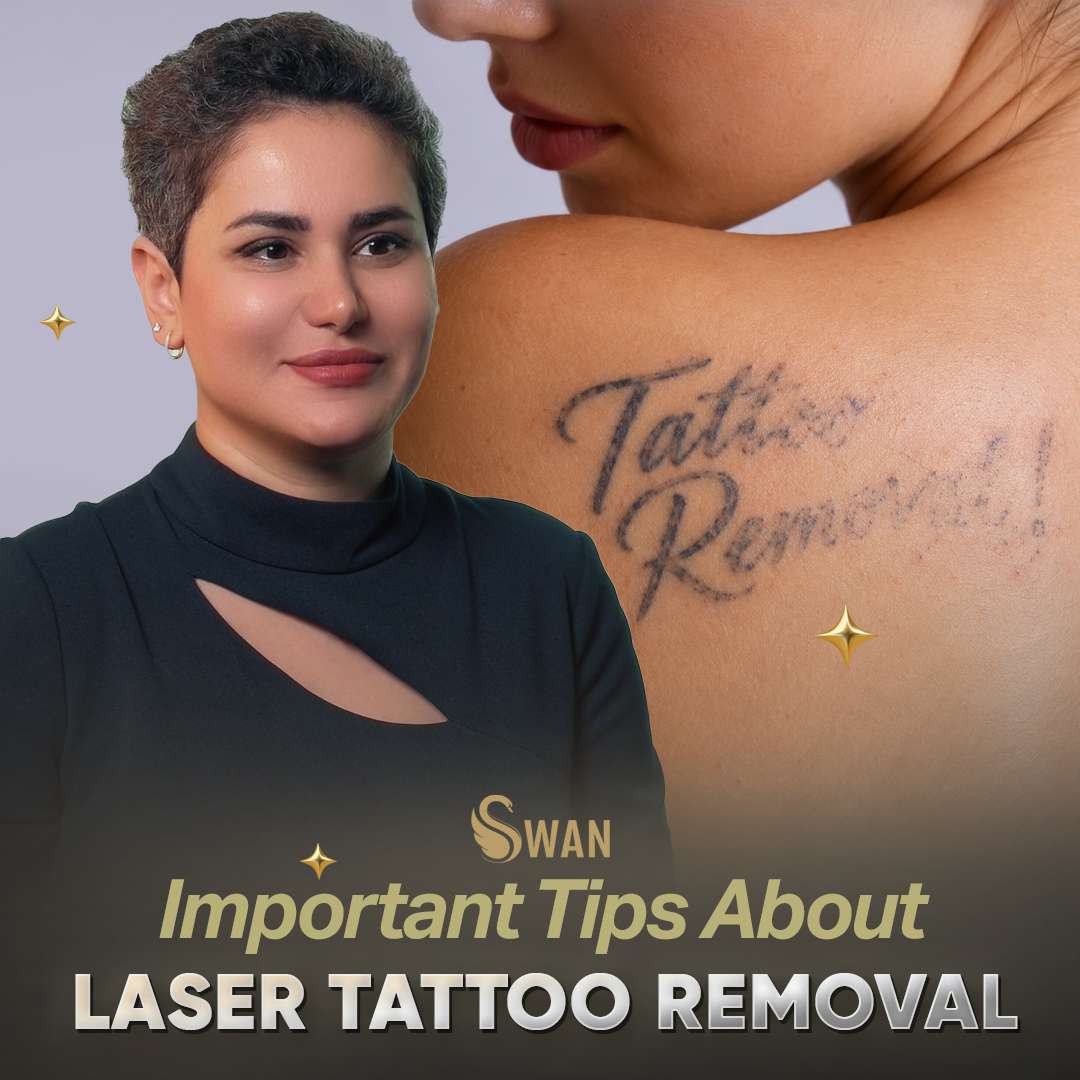
Laser tattoo removal in Dubai using Chrome technology
Some decisions age well. Others don’t. A tattoo that felt right at twenty-two can sit differently at thirty-five — not necessarily with regret, but with a quiet awareness that it no longer fits. For many people, the question isn’t whether to remove it. It’s whether removal is actually possible for their skin, their ink, and their life in this city.
The sun here makes that question more complicated than it would be elsewhere. Skin that is regularly exposed to intense UV radiation is more reactive, and laser treatments that target pigment require careful calibration when the skin is tanned or sun-stressed. It is one of the reasons that laser tattoo removal — though technically straightforward in principle — produces very different outcomes depending on where and how it is done.
The Chrome laser system
At Swan Aesthetic Clinic, tattoo removal is performed using the Chrome laser system by Quanta — the same technology platform used across several of the clinic’s laser treatments. Chrome operates across multiple wavelengths, including 1064 QS and 532, which allows practitioners to target a broad range of tattoo colours with specificity. Black and dark blue inks respond to one wavelength setting; reds, oranges, and purples require another. The system supports treatment across all Fitzpatrick skin types, which matters here given how much variation the clinic sees in skin tone, background sun damage, and cumulative pigmentation among its clients.
The underlying mechanism is selective photothermolysis. The laser delivers short, controlled pulses of light that are absorbed by ink particles beneath the skin’s surface. The energy causes those particles to shatter into smaller fragments, which the body’s lymphatic system then gradually processes and clears. The surrounding skin tissue remains largely unaffected because the laser is calibrated to the specific absorption wavelength of the ink’s colour, not the tissue around it.
The precision of this process is what distinguishes a system like Chrome from older generation devices. Spot size, fluence, and repetition rate are all adjustable, allowing the practitioner to adapt to the tattoo’s density, colour composition, and the client’s skin type within a single session.
What the process looks like across sessions
Tattoo removal is not a single appointment. How many sessions are needed depends on the age of the tattoo, the density and layering of the ink, the colours used, the depth of placement, and the individual’s immune response. Older tattoos that have already faded partially tend to respond faster. Dense, professionally applied tattoos with multiple colours take longer.
A rough guide helps set expectations before the first session. A simple black tattoo typically needs around four to eight sessions. A tattoo with multiple colors usually takes six to twelve. A dark, dense, professionally applied tattoo, often the hardest category to clear, can run anywhere from ten to fifteen sessions depending on how the ink was layered originally.
Sessions are spaced six to ten weeks apart, which gives the body enough time to clear the fragmented ink particles the laser has broken down. Clients sometimes ask whether booking sessions closer together would speed things up. It would not. Treating the same area before the skin has finished clearing risks irritation and pigment changes, without actually making the tattoo fade any faster. The gap between sessions is doing real work, not just filling a calendar.
Sessions are spaced to allow the skin to recover and for the fragmented ink to be cleared between appointments. With UV levels consistently high for most of the year and sun exposure difficult to avoid entirely, keeping the treated area protected between sessions is not optional — it is what allows each appointment to build on the last without triggering post-inflammatory pigmentation or uneven clearance. If the skin is visibly tanned on the day of a session, treatment should be postponed. This is standard protocol, not a precaution unique to any one clinic.
Progress is gradual. The ink does not disappear in a single session, and clients who approach the process with realistic expectations and consistent aftercare see the most reliable results over time.
Skin tone and safe treatment
One of the more persistent concerns among clients with medium to deeper skin tones is whether laser tattoo removal is safe for them. The answer is yes — when the correct technology and parameters are used. Chrome’s wavelength range and adjustable fluence settings allow practitioners to treat darker skin with precision, managing the risk of unwanted pigmentation changes. What changes is not the suitability of the treatment but the specific parameters applied and the spacing between sessions.
The same applies to anyone whose skin has accumulated significant sun damage over time. Chronic UV exposure accelerates the breakdown of the skin’s barrier and affects how it responds to laser energy — something that comes up regularly in a city where outdoor social life, rooftop events, and long commutes in strong sunlight are simply part of daily routine. A thorough consultation before treatment allows the practitioner to assess the skin’s current condition alongside the tattoo itself and plan accordingly. Clients with an interest in broader skin health may also find it worth exploring skin booster treatments alongside any laser programme, particularly if the goal is to support skin recovery and resilience through the removal process.
After each session
The treated area will appear reddened immediately after the laser, and some surface reaction is expected. Mild swelling and sensitivity can persist for a few days. Keeping the area clean, avoiding direct sun, and applying a broad-spectrum SPF once the skin has settled are all essential steps. Products with active ingredients should be avoided until the skin has fully recovered.
The heat adds further considerations that would not apply in a cooler climate — tight clothing over the treated area, prolonged time in steam rooms, or sustained physical activity in the hours following a session can all interfere with recovery. Follow-up appointments are typically spaced every six to ten weeks, and that interval is deliberate: adequate time between sessions is part of what produces consistent clearance.
Who tends to seek removal
The range of people seeking laser tattoo removal at Swan is broad. Some are preparing for significant life events — weddings, a career transition, a cultural shift. Others want to address a tattoo that no longer represents who they are. There are also clients who are not seeking complete removal but rather partial fading, either to soften an existing design or to prepare the skin for a cover-up. The Chrome system accommodates all of these intentions, and the treatment plan is shaped around the individual’s specific goal and starting point.
For clients also considering other laser services — whether for hair removal or skin concerns — it is worth discussing timing at the consultation. Running multiple laser treatments in proximity requires careful scheduling to avoid over-stressing the skin, and that consideration is compounded when baseline UV exposure is already high.
Matching the wavelength to the ink
Different ink colors absorb different wavelengths of light, so a laser with more than one wavelength can treat more of a tattoo. The 1064 nm wavelength targets black and dark blue ink and works on every skin type. The 532 nm wavelength targets red and other warm tones. Some colors, greens and yellows in particular, respond more slowly and may need extra sessions, and a few may only fade partly.
Sessions are spaced six to ten weeks apart, giving the body time to clear the broken-down ink between treatments. If the area is tanned, treatment is postponed until the tan fades, which in Dubai means planning around beach weekends and holidays. Laser hair removal on the same area should not be scheduled close to a tattoo session. Clients planning a cover-up tattoo do not need full removal. A few sessions of fading can be enough to give the new design a clean base.
Starting with a consultation
The most useful first step for anyone considering removal is a consultation. The team at Swan can assess the tattoo’s characteristics — colour composition, density, age, placement — alongside the client’s skin type and history, and offer a realistic picture of what to expect across sessions. There are no universal timelines, and an honest assessment at the outset is more valuable than a general estimate.
To arrange a consultation at Swan Aesthetic Clinic, contact us here.
Read Recent Articles
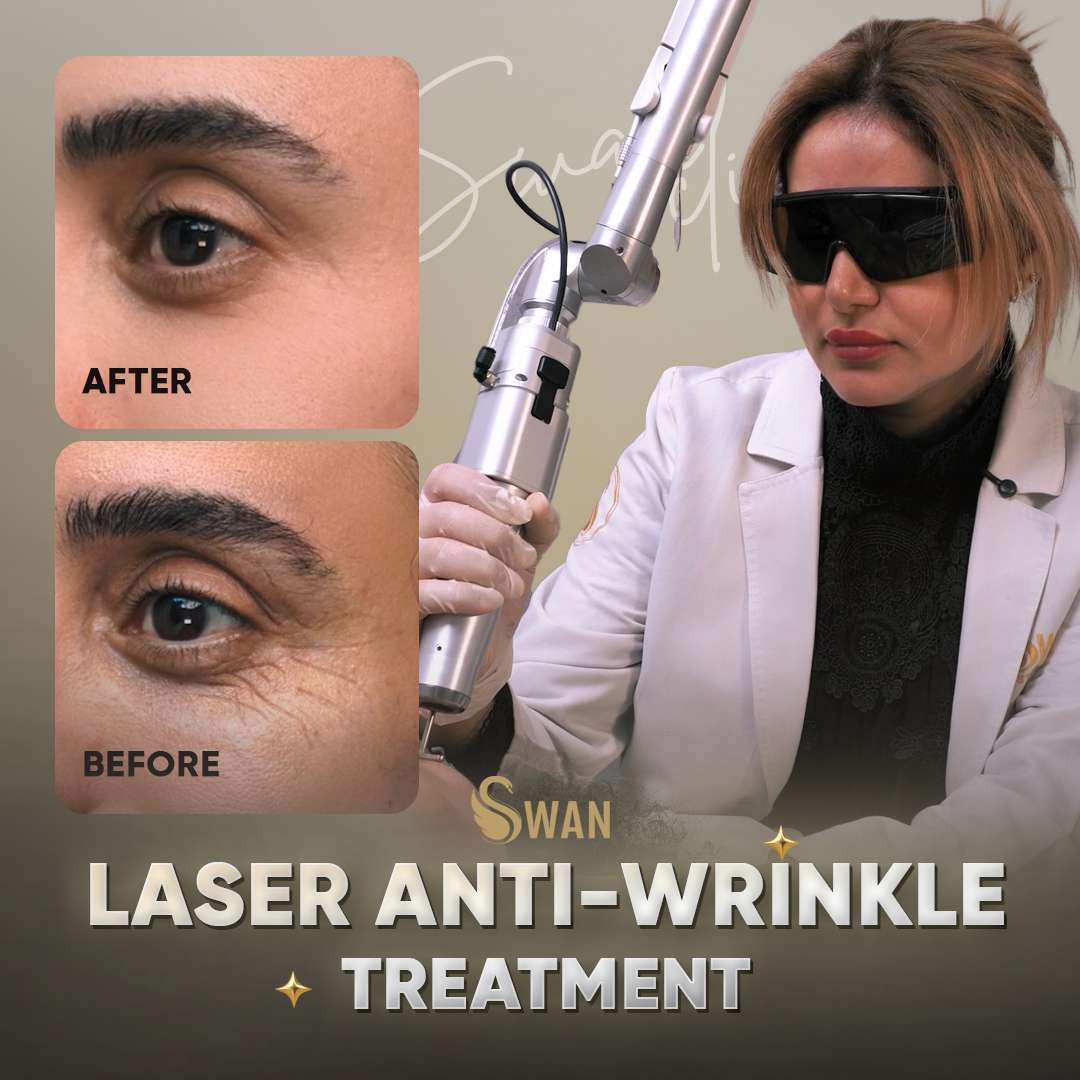
Laser anti-wrinkle treatment in Dubai: How collagen stimulation reduces fine lines without surgery
Fine lines rarely appear all at once. They accumulate gradually — first around the eyes, then alon

Vascular Spider vein
Imagine skin so smooth, so clear, it’s like a blank canvas. A canvas that deserves to be showc
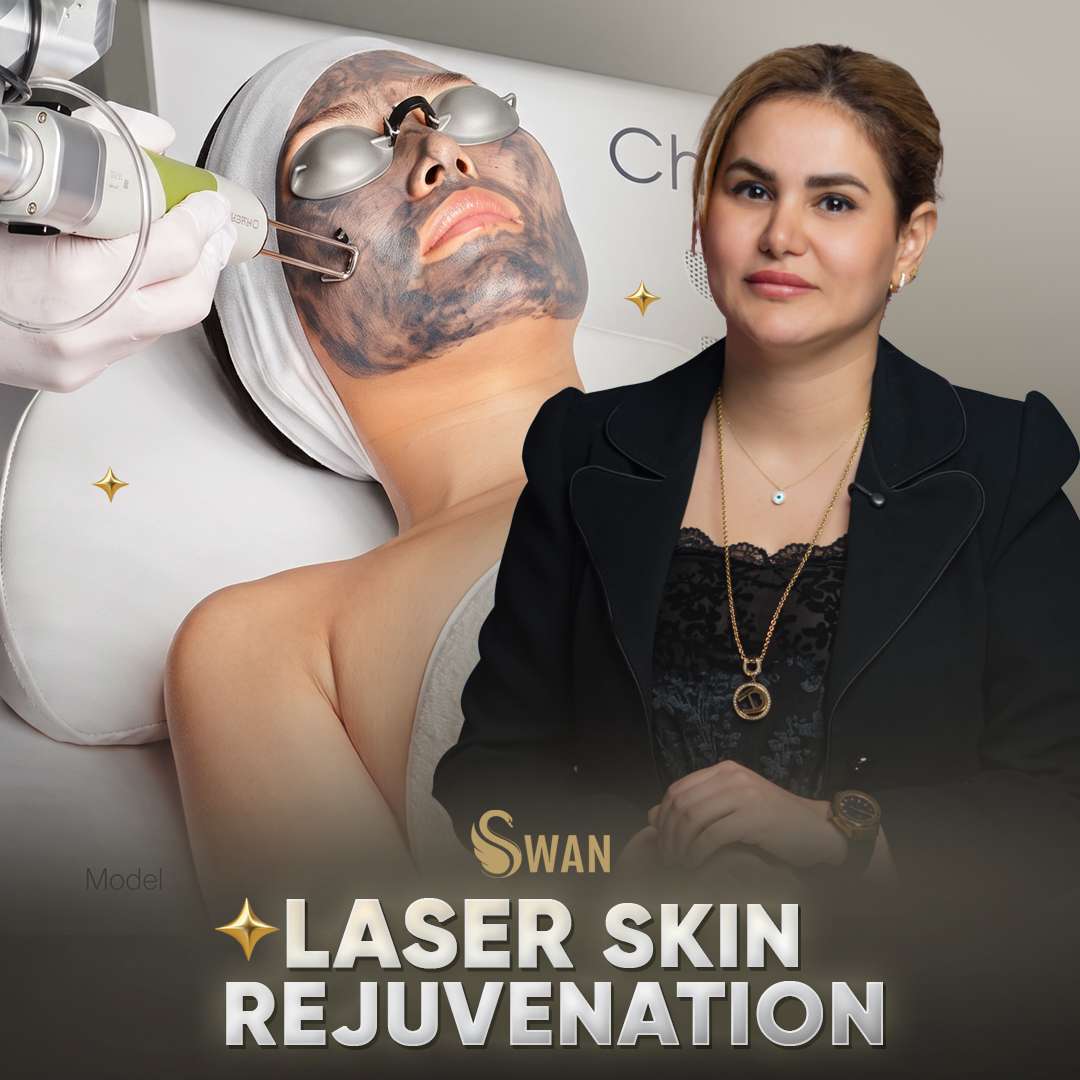
Laser Skin Rejuvenation Dubai: How Nd:YAG Laser Technology Treats Aging, Pigmentation, and Acne Scarring
A phone camera in daylight tells a different story than the bathroom mirror does. The sun spots alon


