
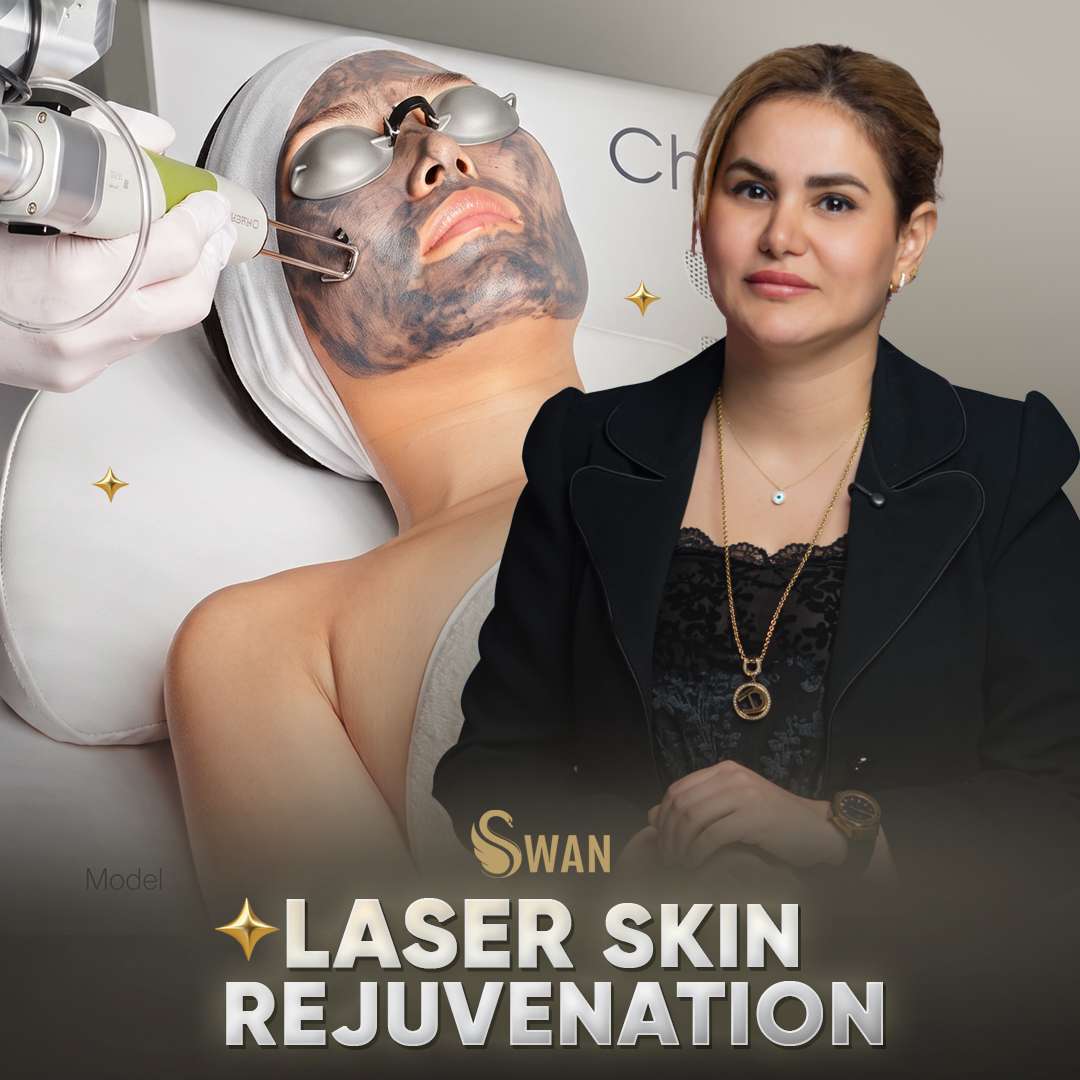
Laser Skin Rejuvenation Dubai: How Nd:YAG Laser Technology Treats Aging, Pigmentation, and Acne Scarring
A phone camera in daylight tells a different story than the bathroom mirror does. The sun spots along a cheekbone, the faint unevenness across the forehead, the dullness that makeup only partly covers, all of it shows up more clearly in a photo taken at a lunch meeting in Dubai or before walking into an evening event than it ever does under soft indoor lighting at home. Most clients notice this well before they book anything, sometimes for months, telling themselves it is just tiredness or the wrong foundation shade.
It usually is not either of those things. Years of sun exposure, heat, and the constant shift between outdoor glare and air-conditioned rooms leave a specific kind of damage behind: pigment that sits unevenly, collagen that has quietly thinned, skin that looks a shade duller than it did a few years ago. None of that resolves with better skincare products alone, which is why the question eventually becomes what actually treats it.
Nd:YAG laser skin rejuvenation is built for exactly this combination of concerns. One wavelength of light, tuned to a specific depth and energy, reaches pigment and collagen at the same time, which is the appeal of the treatment: a single tool addressing several separate issues that would otherwise need different appointments entirely.
Hesitation is common before a first session, and most of it comes down to two worries: whether the treatment will hurt, and whether it is actually safe for their specific skin tone. Both concerns are reasonable, since laser technology varies enormously between devices and wavelengths, and not every laser is appropriate for every skin type. Nd:YAG specifically was developed with darker skin tones in mind, which is a large part of why it has become a standard choice in clinics serving a genuinely diverse client base.
What the laser is actually doing beneath the surface
Nd:YAG lasers deliver energy at a wavelength that passes through the top layer of skin and reaches the deeper dermis without damaging the surface itself. That energy targets pigment cells directly, which is why it works on sun spots and uneven tone, while also generating enough controlled heat in the dermis to stimulate new collagen and elastin production. The result over several sessions is skin that looks more even in color and firmer in texture, rather than a single dramatic change after one visit.
Does that mean the treatment works the same way for every skin concern it touches? Not quite. Pigmentation responds to the way the laser is absorbed by melanin, while the collagen stimulation effect comes from a separate thermal mechanism happening deeper in the skin. A single device produces both effects, but the settings, wavelength, and number of passes shift depending on which concern is being prioritized in a given session.
A 2025 study in Lasers in Medical Science followed a group of clients treated with a fractional Nd:YAG picosecond laser and recorded measurable reductions in wrinkles, spots, and skin texture irregularities as early as the first month, with the improvement holding through three months of follow-up. The same research noted that mild, short-lived redness was the most common side effect, with no serious complications reported.
Why this suits Dubai’s particular skin pressures
Skin in Dubai works harder than it does in most climates. Between the intensity of the sun for most of the year and the constant back-and-forth between outdoor heat and air-conditioned interiors, collagen breaks down faster and pigmentation forms more readily than it would somewhere with milder weather. Residents who spend time outdoors, whether commuting, exercising, or simply walking between a car and an office building, accumulate sun exposure in small increments that add up over years.
That accumulated exposure is exactly what shows up as the uneven tone, faint lines, and dullness that bring most clients in for this treatment in the first place. A laser that treats pigment and stimulates collagen in the same session addresses both the visible damage already done and the structural decline happening underneath it, which matters in a place where skin is under near-constant environmental load.
Dubai’s lifestyle adds its own pressure too. A social calendar built around frequent events, travel, and late nights leaves little room for treatments that require real recovery time, which is part of why a laser with essentially no downtime tends to fit so naturally into how people in Dubai actually plan their skincare around everything else going on.
What a session actually involves
Sessions are quick, and most clients describe the sensation as a warm snapping feeling rather than genuine pain. Cooling is used throughout to keep the process comfortable. There is minimal to no visible downtime, which is part of why the treatment fits easily into a working week rather than requiring time blocked off in advance.
A typical course looks fairly consistent across clients, though the exact number of sessions depends on the specific concern being treated.
- An initial consultation and skin assessment to determine whether pigmentation, texture, or collagen support is the primary goal, since this shapes the settings used.
- A series of sessions spaced several weeks apart, allowing the skin to fully process each round of stimulation before the next.
- Light redness immediately after treatment that typically settles within a few hours to a day.
- A follow-up assessment comparing skin tone and texture against the initial photos taken at consultation.
Most clients notice brighter, more even tone within the first two to three sessions, while the collagen-related firmness tends to build more gradually across the full course. That difference in timeline is worth understanding upfront, since pigment clearing faster than firmness improves can otherwise feel like the treatment has stalled when it has not.
Aftercare that protects the results
The skin is more reactive to sun in the days immediately following a session, even without visible peeling or downtime. Sun protection matters in Dubai more than it does after most other treatments, and that holds especially true given how strong and consistent UV exposure is across most of the year. Skipping sunscreen after a session, or relying on a car window for protection during the commute home, undoes a meaningful part of what the laser just achieved by allowing new pigment to form in the treated area.
Beyond sun protection, clients are generally advised to avoid saunas, steam rooms, and intense exercise for a day or two, since excess heat on freshly treated skin can aggravate the mild redness that follows a session. Gentle skincare, free of active acids or retinoids, is usually recommended for the first few days while the skin settles. Clients who keep up with this simple routine tend to see results hold longer and progress more predictably from one session to the next.
Who this works best for, and where it has limits
Clients in Dubai dealing with early sun damage, mild pigmentation, acne scarring, or the first signs of collagen loss tend to see the clearest results. It is not designed to replace more targeted treatments for deep static wrinkles or significant volume loss, and it is not a substitute for a dedicated approach to melasma, which behaves differently from ordinary sun spots and often needs its own protocol. Melasma responds to hormonal and heat triggers as much as sun exposure, and treating it with the wrong settings can occasionally make it worse rather than better, which is why an accurate diagnosis matters before any laser session is booked.
Skin tone also plays a role in how a treatment plan is built. Darker skin tones can be treated safely with Nd:YAG technology, since the wavelength was developed in part because it carries a lower risk profile for pigment-related side effects than shorter-wavelength lasers, but settings still need to be calibrated carefully rather than applied uniformly across every skin type. Clients dealing with more established pigmentation or melasma are often better served starting with a dedicated look at pigmentation and melasma before adding a broader rejuvenation course on top.
Acne scarring is one of the areas where this laser earns its place alongside other options. Clients who have already explored a scar removal peel for deeper texture sometimes add laser sessions afterward to refine overall tone once the scar itself has settled.
Building it into a longer skincare plan
A single laser session rarely stands alone in a full treatment strategy. Clients focused on structural aging often pair this with dedicated collagen stimulation treatments to support results between laser sessions, while those more focused on surface texture sometimes alternate laser visits with a derma peeling facial to keep exfoliation consistent in between.
None of this needs to be decided in advance. A clinician assessing skin in person can see which concern is dominant and which combination actually makes sense, rather than a client guessing at a plan from a list of treatment names online.
Working with Swan Aesthetic Clinic Dubai on a rejuvenation plan
Sun damage, early lines, and uneven tone rarely arrive one at a time, and a treatment built around a single wavelength that reaches several of these at once tends to make more practical sense than booking separate appointments for each. The right course still depends on skin type, the specific concern being prioritized, and how the skin has responded to sun and heat exposure over time, which is exactly what a consultation is meant to establish before any laser touches the skin.
Clients interested in this approach can book a consultation to have their skin properly assessed and a session plan built around what their skin actually needs rather than a generic protocol.
Read Recent Articles

Vascular Spider vein
Imagine skin so smooth, so clear, it’s like a blank canvas. A canvas that deserves to be showc

Laser Skin Rejuvenation
Imagine your skin: smooth, luminous, and virtually flawless. This isn’t just a dream – it
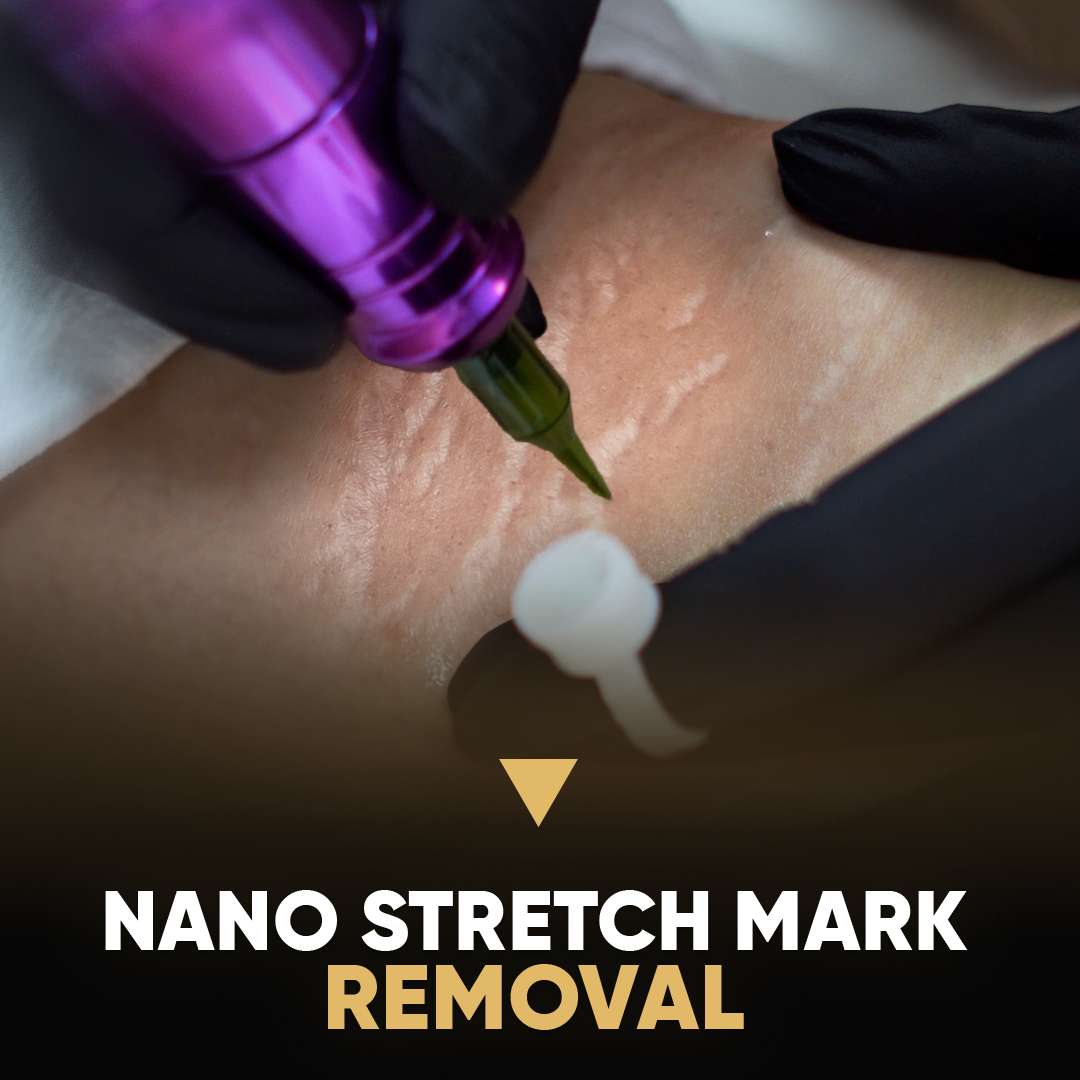
Nano Stretch Mark Removal in Dubai: A Refined Approach to Smoother, Even-Toned Skin
Stretch marks are far more common than many people realize, especially in a city like Dubai where ra


