

Misconceptions About Hyaluronic Acid Dermal Fillers in Dubai – What’s Actually True
A woman in her twenties books a filler consultation and spends the first five minutes explaining she doesn’t want to “end up looking like that.” She never says who “that” is, but everyone in the room knows the image she means: an overfilled, waxy face that’s become shorthand online for what fillers supposedly do. It’s a fair concern to walk in with. It’s also based on a version of hyaluronic acid filler that describes bad technique, not the treatment itself.
Dubai sees more of these conversations than most cities, simply because filler is one of the most requested treatments here, and requests come with questions shaped by whatever people have seen on social media rather than what a practitioner would actually explain in a consultation. Three misconceptions come up more than any others, and each one is worth taking apart properly.
“Filler always makes your face bigger”
This is the one people worry about most, and it’s the one furthest from how a properly administered treatment actually works. Hyaluronic acid is a substance the body already produces, found naturally in skin, connective tissue, and joints, where it holds water and keeps tissue plump. When it’s placed with precision along the structure of the face rather than in broad, undifferentiated volume, the effect is restoration rather than addition. Cheekbones regain definition they’d lost. A jawline that had softened gets a cleaner edge back. The goal is proportion, not size.
The overfilled look people are actually reacting to almost always comes from too much product placed without regard for the face’s existing structure, or from technique that ignores how a specific face ages. A 2024 study in Dermatologic Therapy assessing cross-linked hyaluronic acid filler for correction found that most participants showed measurable improvement in fold severity alongside high satisfaction scores across follow-up visits, with adverse events described as mild and temporary. That outcome depends entirely on the injector reading the face rather than following a fixed volume plan, which is why the consultation matters as much as the product itself.
Clients exploring this treatment for the first time often ask how a practitioner decides where to place volume rather than simply adding it everywhere. The honest answer is that it starts with what the face has lost, not what could theoretically be added. Someone with a naturally narrow midface needs a different approach than someone whose main concern is a softened jawline, and Swan’s approach to face contouring is built around that individual assessment rather than a standard volume per area.
“Once you start, you have to keep doing it forever”
This one carries a strange kind of pressure, as though a single appointment locks someone into a permanent routine. It doesn’t. Hyaluronic acid filler is temporary by design. The body gradually breaks it down over time, typically somewhere between six and eighteen months depending on the area treated, the formulation used, and how quickly an individual’s metabolism processes it. Areas with more movement, like the lips, tend to soften faster than areas with less, like the cheeks.
Maintenance is a choice, not an obligation. Someone treats an area once, likes the result, and either books a follow-up appointment when it fades or simply lets it dissolve back to baseline and moves on. There’s no clinical requirement to keep going, and there’s also no penalty for stopping. For anyone who wants a faster reset rather than waiting out the natural breakdown, a hyaluronidase enzyme can be used to dissolve the filler directly, which is worth knowing about for anyone nervous about being unable to reverse a decision. Swan’s approach to filler dissolving exists specifically for that reassurance, not as a routine step most clients ever need.
Dubai’s social calendar plays into how this misconception spreads. Between weddings, work events, and the steady rhythm of travel that defines life here, people sometimes assume regular touch-ups are simply part of maintaining an appearance in a city this image-conscious. In practice, plenty of clients treat once ahead of a specific occasion and don’t return for a year or longer. The treatment schedule follows the person’s goals, not a manufacturer’s calendar.
“Fillers are only for older people”
Age comes up constantly in these conversations, usually framed as a line someone either hasn’t crossed yet or has crossed too far to reverse. Neither framing holds up. Filler isn’t an anti-aging treatment in the narrow sense people assume. It’s a structural and volumizing treatment, and the appropriate age for it depends on the specific concern rather than a birthday.
Adults over eighteen can be reasonable candidates when there’s a genuine aesthetic indication and a realistic understanding of what the treatment can achieve. A younger client with naturally thin lips or an asymmetry they’ve always been self-conscious about has just as valid a reason to consider filler as someone in their fifties addressing volume loss from collagen decline. What matters is the indication, not the age bracket. Swan’s guide to lip filler treats this exact point directly: shape and proportion, not age, drive most requests for that particular area.
There’s a Dubai-specific layer here too. Sun exposure and the constant transition between air-conditioned interiors and outdoor heat accelerate collagen breakdown at a pace that doesn’t always match a person’s actual age. Someone in their early thirties who’s spent a decade in this climate may show volume loss that would typically appear a decade later somewhere with milder sun. Filler in that context isn’t correcting age. It’s correcting environmental wear, which is a different conversation entirely.
A few signs tend to indicate someone is a reasonable candidate worth discussing at consultation, regardless of the number attached to their age.
- Noticeable loss of definition along the jawline or cheekbones that wasn’t there a few years earlier, often more pronounced in people who’ve lived through several Dubai summers.
- Lips that feel thinner or less symmetrical than a person would like, independent of overall facial aging.
- Hollowing under the eyes or along the temples that makes the face look tired even after adequate rest.
- A specific area of asymmetry or proportion the person has been self-conscious about for years, at any age.
None of these signs guarantee filler is the right next step on their own. They’re a starting point for a conversation, and a practitioner assessing the face directly will always give a more accurate read than a checklist can.
What to expect and how it settles
Filler results are visible almost immediately, though some initial swelling is normal and typically resolves within a few days. Most areas settle into their final look within one to two weeks, once any minor bruising or puffiness from the injection process has faded. Bruising responds well to standard aftercare: avoiding blood thinners like aspirin in the days before treatment where medically appropriate, applying cold compresses if swelling appears, and skipping intense exercise or saunas for about 24 hours so the product settles without being disturbed by increased blood flow or heat.
Living in Dubai adds one practical consideration to that aftercare window. Heat and sun exposure both increase swelling and can affect how quickly bruising resolves, so clients are generally advised to avoid direct midday sun and extended time outdoors for the first day or two after treatment. Given how much of daily life here moves between air-conditioned spaces and outdoor heat, this is one of the more commonly overlooked parts of aftercare, and one of the more important ones.
The other question worth answering plainly: does filler look obvious to other people? Done well, it shouldn’t. The most reliable compliment a practitioner can get is that someone simply looks rested, or that their face looks more like itself, rather than any comment that points directly at a specific treated area. That’s the actual measure of a good result, and it’s a far more useful standard than comparing outcomes to whatever extreme example prompted the original worry.
Booking a consultation at Swan Aesthetic Clinic Dubai
Most of what makes filler intimidating comes from secondhand images rather than firsthand understanding of how the treatment actually works when it’s done with restraint and a clear plan. Clients weighing whether it’s right for them, whether the concern is volume loss, proportion, or something as specific as lip shape, are welcome to explore Swan’s approach to natural facial contouring or reach the team directly through Swan’s contact page to talk through what a realistic result would actually look like for their own face.
Read Recent Articles

Why Radiesse Is Becoming a Go-To Treatment in Dubai
There is a particular kind of tiredness that appears not in how you feel, but in how your face looks
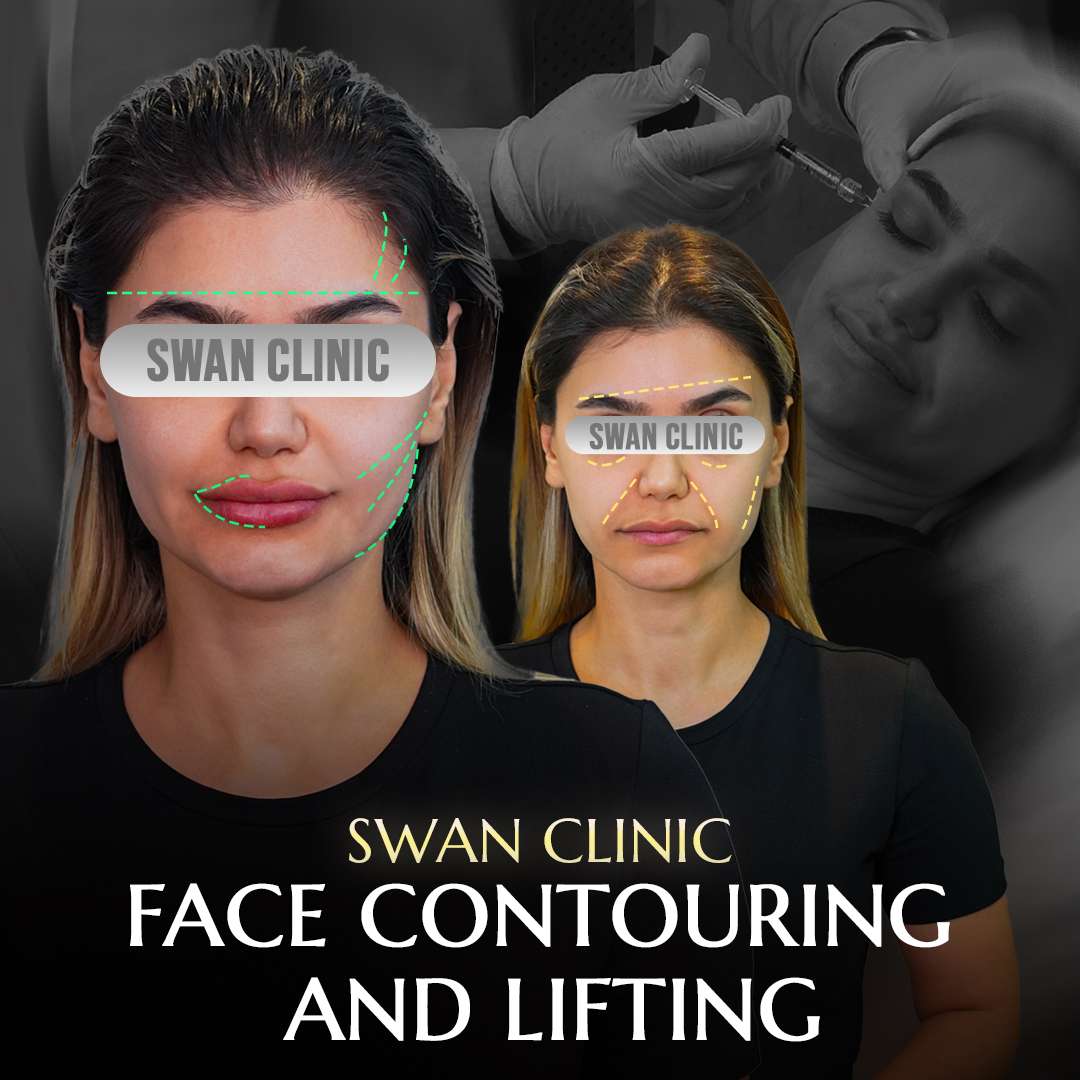
Face Contouring And Lifting In Dubai: Structured, Natural Facial Rejuvenation
Redefining Facial Harmony in Dubai In Dubai’s image-conscious and socially dynamic environment, fa
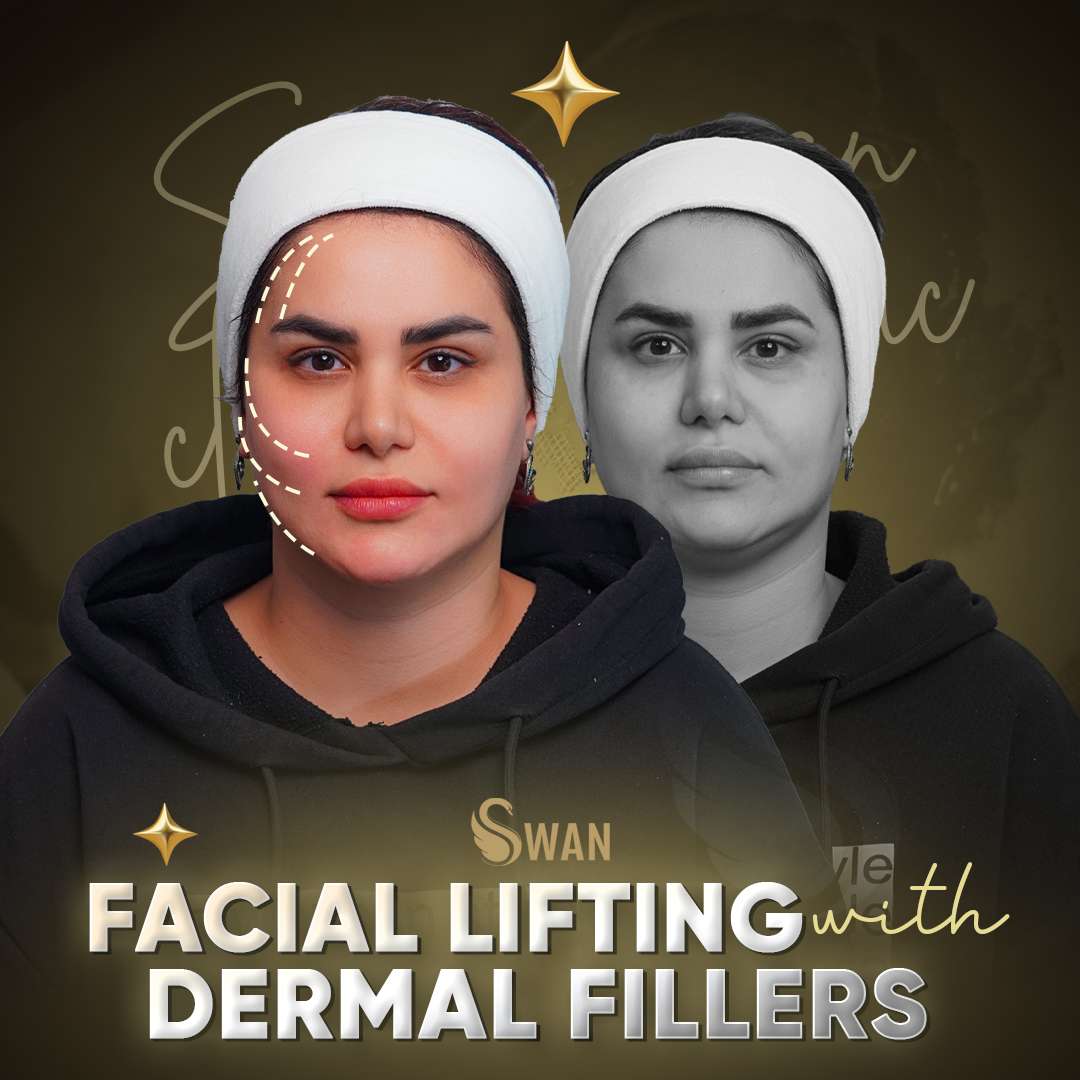
When Your Face Is Ready Before You Are – Dermal Fillers for Dubai’s Social Season
There is a particular kind of pressure that builds in the weeks before a wedding, a gala, or a miles


