

Under-eye treatment Dubai: dark circles, hollows, and fine lines – how to choose the right option
The under-eye area is one of the most commonly treated zones in aesthetic medicine, and one of the most frequently approached with the wrong solution. People come in asking for filler when what they actually need is a collagen stimulator. Others ask for laser when the problem is vascular and pigmentation-based. Getting the treatment right depends entirely on understanding what is causing the concern in the first place — and under the eye, the causes are rarely as obvious as they look.
There are, broadly, two categories of under-eye concern. The first is structural: hollowness, shadowing from volume loss, and the tear trough depression that deepens as the midface descends with age. The second is surface-level: dark pigmentation, fine lines, crepiness, and the greyish discoloration that comes from poor circulation or vascular congestion. Both can exist simultaneously, and both are common among people living in Dubai — where chronic dehydration from the heat and air conditioning, cumulative UV damage, and lifestyle factors including disrupted sleep all place particular strain on this already-thin skin.
Why the under-eye area ages differently
The skin around the eye is the thinnest on the face, averaging around 0.5mm compared to 2mm elsewhere. It has fewer sebaceous glands, less structural support from underlying fat, and is subject to thousands of small movements every day. These are the mechanical reasons why this area shows age early and responds differently to treatment than the rest of the face.
The UAE’s UV index — which regularly reaches extreme levels for seven to eight months of the year — accelerates pigmentation and collagen degradation in this zone faster than in many other climates. Clients who have spent years outdoors in Dubai, or who travel frequently without consistent SPF protection, often present with a combination of structural loss and surface pigmentation that developed earlier than they expected.
Matching the treatment to the concern
This is where the assessment matters more than almost anywhere else on the face. A treatment that addresses the surface will not correct a structural hollow. One that adds volume will not reduce vascular discoloration. Choosing correctly means being honest about what you are actually seeing.
Dark circles from pigmentation or vascularity
If the darkness under your eyes is a flat, consistent discoloration — brownish in tone, present regardless of how rested you are — the cause is likely melanin-based pigmentation, often from sun exposure. If the color is more bluish or purplish, the issue is vascular: the fine blood vessels beneath the very thin under-eye skin showing through. Laser toning addresses both types but works differently for each, targeting melanin in the first case and, in some protocols, reducing the visibility of superficial vascularity in the second. Clients who have already explored Swan’s under-eye dark circle reduction options will recognize that laser is often the starting point for pigment-driven concerns.
Hollowness and tear trough shadowing
This is structural, and it calls for a volumizing approach. Hyaluronic acid-based under-eye boosters or fillers replace the lost volume and reduce the shadow that creates the appearance of darkness. The result looks brighter not because the pigmentation has changed but because the light is no longer falling into a depression. For clients with both hollowness and fine surface lines, PDRN for eye rejuvenation offers a useful combination: polynucleotides stimulate collagen and improve skin quality in the area while also providing mild hydration.
Fine lines and crepiness
Surface texture changes — the fine crinkling that appears when smiling or even at rest — respond best to treatments that drive collagen production or improve dermal hydration at the surface level. PRP (platelet-rich plasma) works well here because it delivers concentrated growth factors directly into the tissue, triggering a repair response that improves both thickness and elasticity over time. Mesotherapy in this area uses a cocktail of vitamins, amino acids, and hyaluronic acid microinjections to nourish and hydrate the skin from within, which is particularly effective for the kind of chronic dehydration-driven crepiness that is common among residents who spend most of their day in air-conditioned environments.
The main options, and what each one does
- Under-eye boosters: hyaluronic acid-based micro-injections that hydrate the skin, plump fine lines, and restore mild volume. Best for dryness, surface lines, and early hollowness. Results appear within one to two weeks and typically last six to nine months.
- PDRN / polynucleotide injections: repair and regenerate the tissue at a cellular level by stimulating collagen and elastin production. Particularly effective for crepiness, post-sun skin thinning, and improving overall skin quality in the area. Results build over four to six weeks.
- PRP (platelet-rich plasma): uses the client’s own blood, processed to concentrate the growth factors, which are then injected into the under-eye area. Good for general rejuvenation, fine lines, and improving skin tone. A naturally derived option that suits clients who prefer to avoid synthetic compounds.
- Mesotherapy: a combination of vitamins, minerals, and hydrating agents delivered via fine needles into the dermis. Works well for fatigue-related dullness, dehydration, and mild surface lines. Can be combined with other treatments.
- Laser: addresses pigmentation, vascular discoloration, and surface texture. The collagen-stimulating effect also improves skin thickness over time. Best suited for clients whose primary concern is color rather than volume.
When more than one treatment is the answer
The under-eye area is frequently addressed with a combination approach — not because one treatment is inadequate, but because the concerns are layered. Structural hollowness responds to volume; surface pigmentation responds to laser; skin quality responds to biologics like PRP or PDRN. Many clients at Swan find that a planned sequence, starting with the structural concern and then addressing surface quality, gives them the clearest and most lasting result.
Clients who are also noticing changes in the midface — the beginning of a tired or drawn look that goes beyond the eye area alone — will find it useful to consider facial contouring treatment as part of the same consultation, since the appearance of the under-eye is often directly influenced by what is happening in the cheek above it.
The only way to know for certain
A photograph is a useful starting point, but it does not replace a clinical assessment. Under the eye, the difference between a vascular dark circle and a pigmentation-based one is not always visible in a photo; the same is true for distinguishing true hollowness from a shadow caused by midface descent. Both require someone to look at the tissue directly, understand your history, and ask the right questions.
Swan Aesthetic Clinic Dubai offers a free consultation for clients who want to understand what is happening in their under-eye area and which treatment path makes sense for their specific concern. Send your photos to get started, or book your consultation directly and we will assess the area properly before recommending anything.
Read Recent Articles

Dark Circles Under-Eye Treatment Dubai: What actually works and why
Around thirty percent of people dealing with periorbital hyperpigmentation, according to research ou
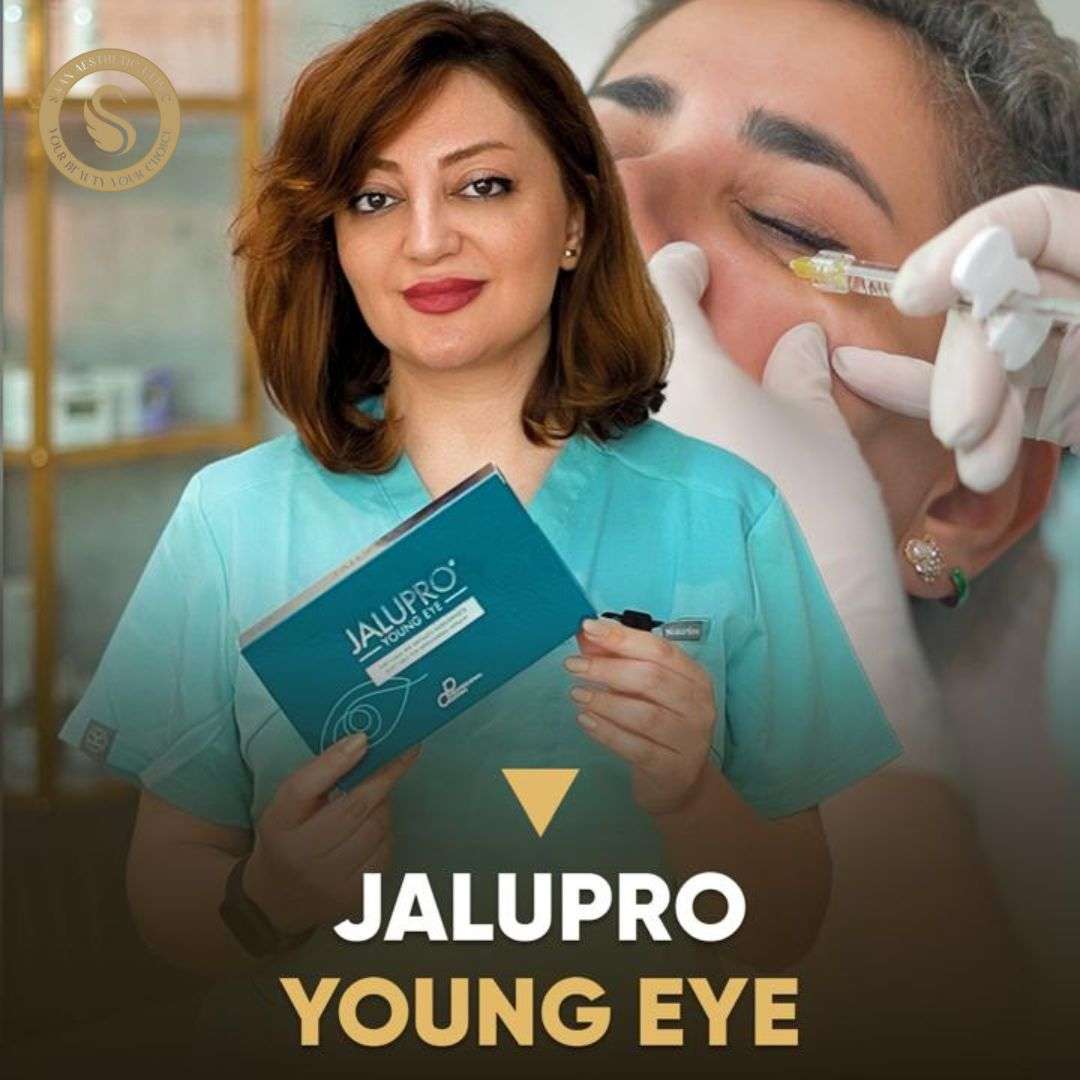
Under Eye Boosters
Brighten, Hydrate, and Refresh Tired Eyes The delicate under-eye area is often the first to show sig

Under-Eye Treatment Dubai: Fillers, Polynucleotides, and RF Eye Therapy Compared
Three different clients can point to the exact same under-eye concern and need three completely diff


