
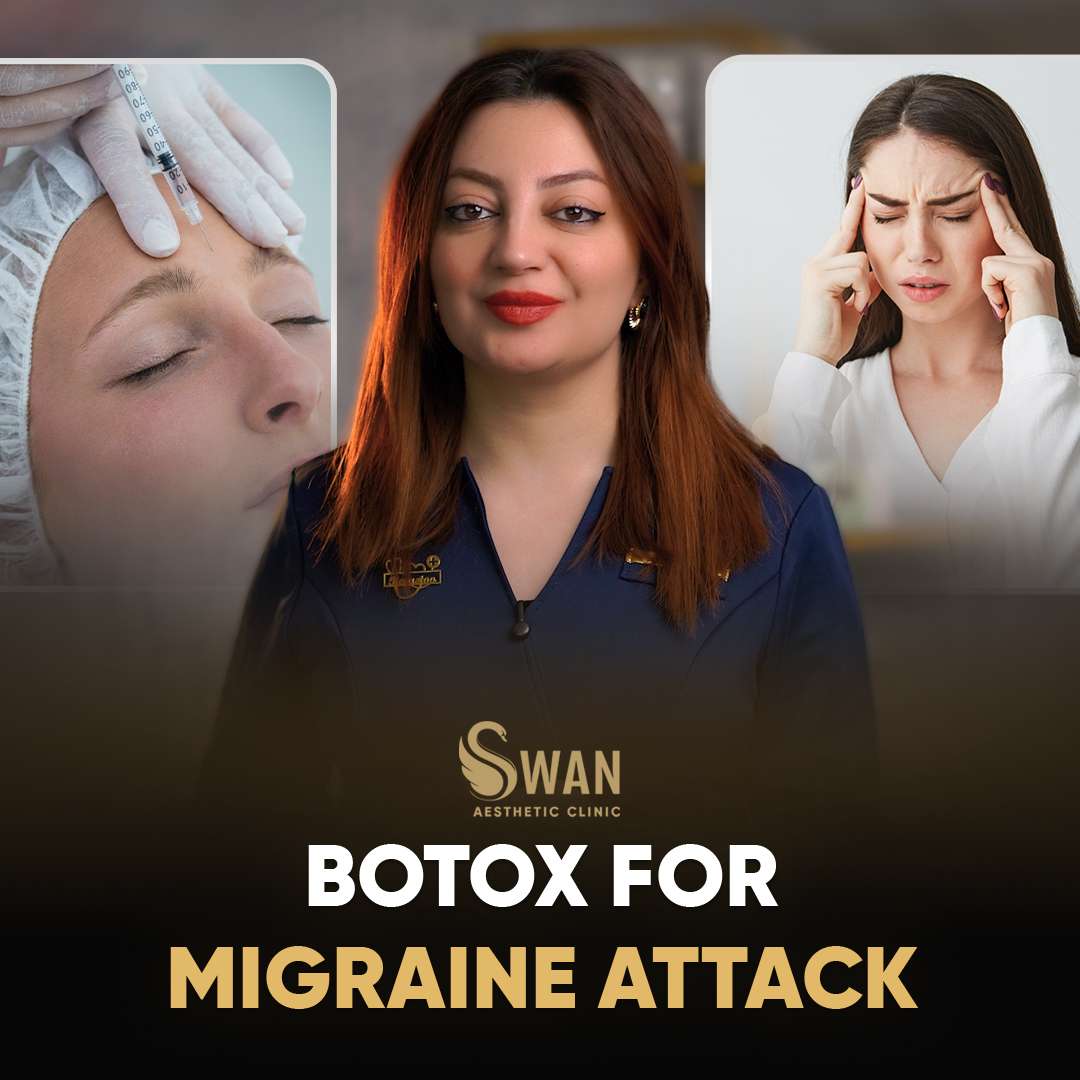
Botox For Migraine Treatment In Dubai – A Medical Approach To Chronic Headache Relief
When Migraine Disrupts Daily Life in Dubai
Migraine is a neurological condition that extends far beyond a typical headache. Globally, it affects more than 1 billion people and is recognised as one of the leading causes of disability in adults under the age of 50. Chronic migraine — defined as headache occurring on 15 or more days per month, with at least 8 days meeting migraine criteria — can significantly impair professional performance, social participation, and emotional wellbeing.
In Dubai, lifestyle and environmental factors may intensify migraine frequency. High temperatures, dehydration, long hours in air-conditioned environments, screen exposure, irregular sleep patterns, and occupational stress can all act as triggers. For individuals who do not respond adequately to oral preventive medications, Botox has become an established, FDA-approved therapeutic option.
What Is Botox for Chronic Migraine?
Botox (botulinum toxin type A) was approved by the U.S. Food and Drug Administration (FDA) for the treatment of chronic migraine in 2010. Unlike cosmetic applications, therapeutic Botox follows a specific medical protocol designed to target pain pathways involved in migraine generation.
It is administered through a series of small injections into carefully selected areas of the forehead, temples, scalp, upper neck, and shoulders. These sites correspond to muscles and nerve endings associated with migraine activation.
How Does Botox Reduce Migraine Attacks?
Botox works through two primary mechanisms:
- Blocking pain signal transmission: It inhibits the release of certain neurotransmitters involved in pain signalling, reducing the activation of migraine pathways.
- Relaxing targeted muscles: By reducing excessive muscle contraction in trigger areas, it decreases mechanical stimulation of surrounding nerves.
Over time, this dual effect reduces both the intensity and frequency of migraine episodes.
Clinical studies have shown that patients receiving Botox for chronic migraine experienced, on average, 8–9 fewer headache days per month compared to baseline. Many patients also report shorter duration of attacks and reduced reliance on acute pain medications.
Who Is an Appropriate Candidate?
Botox for migraine is typically considered for patients who:
- Experience chronic migraine (15 or more headache days per month)
- Have not achieved sufficient improvement with oral preventive treatments
- Cannot tolerate certain systemic medications
- Experience significant disruption in work or quality of life
A structured medical evaluation is essential to confirm diagnosis and determine suitability. Not all headaches are migraines, and accurate differentiation is critical for safe and effective treatment.
What to Expect During Treatment
The procedure is performed in a clinical setting and usually takes approximately 15–30 minutes. A series of small, precise injections are administered using fine needles according to established migraine treatment protocols.
There is no surgical intervention, and downtime is minimal. Most patients in Dubai resume professional or social activities the same day, which aligns well with the city’s fast-paced lifestyle.
When Will You Notice Improvement?
Botox does not provide immediate relief. Most patients begin to notice a reduction in migraine intensity and frequency within two to three weeks after treatment. Maximum benefit is often observed after the second treatment cycle.
Therapeutic sessions are typically repeated every 12 weeks, as recommended in clinical guidelines, to maintain consistent results.
Documented Benefits Beyond Pain Reduction
In addition to fewer migraine days, patients frequently report:
- Reduced severity of attacks
- Shorter migraine duration
- Decreased dependence on emergency pain medication
- Improved sleep quality
- Enhanced concentration and work productivity
- Better overall quality of life
For working professionals and socially active individuals in Dubai, these improvements can have a meaningful impact on daily functioning and long-term wellbeing.
Distinguishing Therapeutic Botox from Cosmetic Botox
Although the same purified botulinum toxin is used, migraine treatment follows a medically standardised injection pattern that differs from aesthetic wrinkle-reduction procedures.
Patients exploring cosmetic treatments such as Face Botox should understand that migraine management involves different clinical objectives, dosing strategies, and treatment mapping.
Safety and Medical Supervision
Botox for chronic migraine is considered safe when administered by trained medical professionals following proper protocols. Mild temporary side effects such as localised discomfort or neck stiffness may occur, but serious complications are uncommon when performed correctly.
Because migraine is a neurological condition, comprehensive evaluation and ongoing monitoring are important components of responsible treatment planning.
Supporting Migraine Control in Dubai’s Climate
While Botox addresses neurological pain pathways, long-term migraine control also involves lifestyle considerations. In Dubai’s climate, patients are often advised to:
- Maintain adequate hydration
- Limit prolonged exposure to intense heat
- Manage screen time and posture
- Optimise sleep hygiene
- Identify personal migraine triggers
A holistic approach enhances the effectiveness of medical intervention.
Taking the Next Step
Chronic migraine can affect professional performance, family life, and emotional wellbeing. When oral medications are insufficient, Botox may offer a clinically supported alternative for reducing attack frequency and improving overall quality of life.
If you are experiencing recurrent migraine attacks and would like a personalised medical assessment, you may arrange a consultation through our Contact Us page.
Note: This article is intended for educational purposes only and does not replace a professional medical consultation. Individual responses vary, and all treatments should be performed under qualified medical supervision following appropriate diagnosis.
Read Recent Articles
Botox For Wrinkle Prevention In Dubai: Preventing Dynamic Lines With Precision
Preventing Wrinkles Before They Set In In Dubai’s fast-moving, image-conscious environment, many i

Botox in Dubai – Answering the questions clients ask most before their first appointment
Most people considering Botox for the first time arrive with the same handful of questions, usually
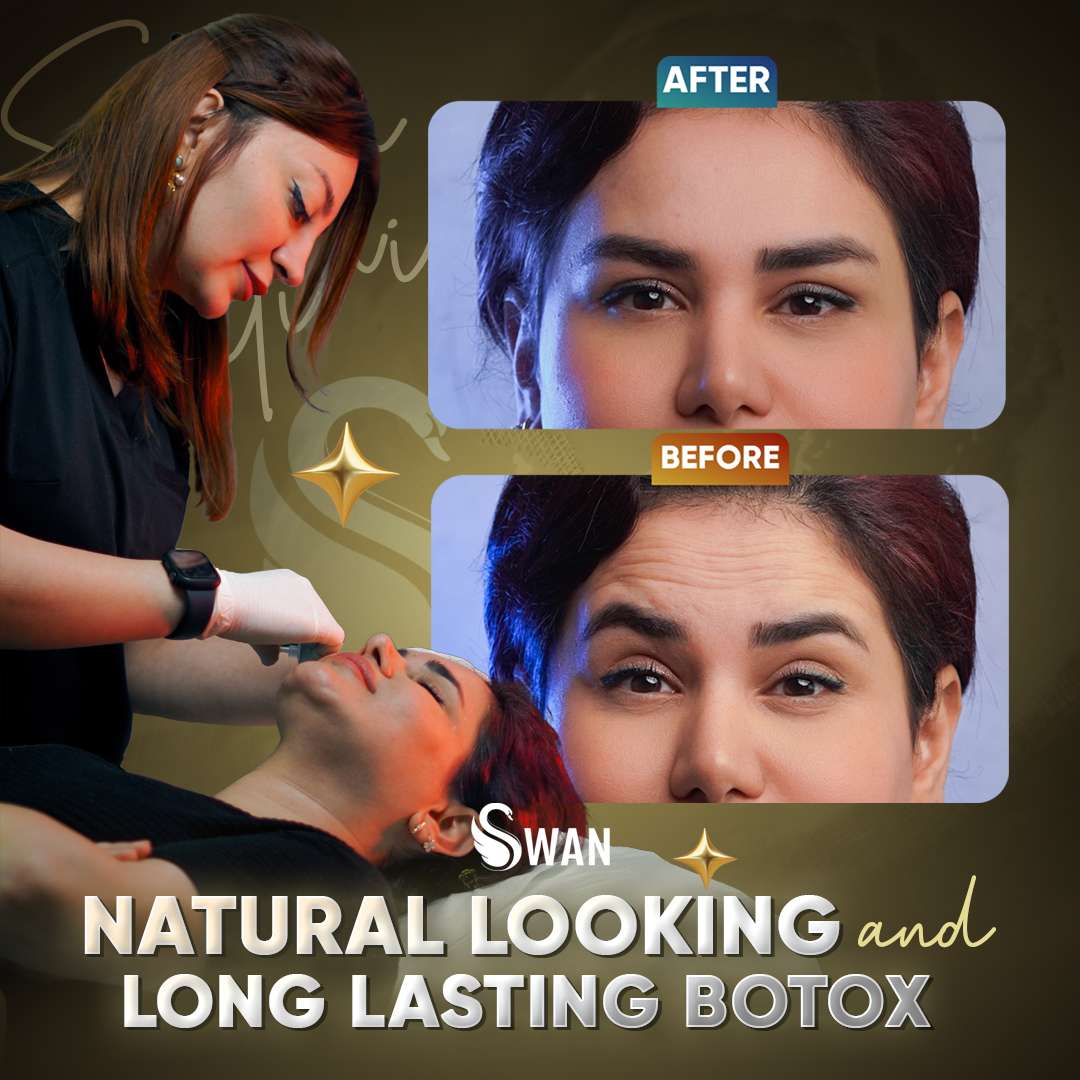
Botox in Dubai: What Natural-Looking Results Actually Mean
There is a version of Botox that everyone recognises — and not in a good way. The frozen forehead.


