

IV Drip Dubai: Which Infusion Is Right for Your Skin and Energy Goals?
By three in the afternoon, a familiar wall hits. Not tiredness exactly, more a kind of static: harder to focus, harder to remember why you walked into the room. In Dubai, where the day swings between air-conditioned interiors set to seventeen degrees and pavement heat that can climb past forty-five outside, the body spends most of its energy just regulating itself. Skin, focus, and mood all pay the price before most people connect the dots to something as simple as fluid and nutrient balance.
This is the gap IV drip therapy is built to close. Rather than working from the outside, the way a serum or moisturizer does, an IV infusion delivers fluids, electrolytes, vitamins, and minerals directly into the bloodstream. There is no digestion to slow things down and no absorption loss through the gut. What goes in reaches the tissue that needs it, often within the same session.
How an IV drip actually works
A standard drip runs through a small cannula placed in the arm, connected to a sterile bag mixed to a specific formulation. The full infusion typically takes between thirty and forty-five minutes, during which a client can sit, read, or simply rest. There is no downtime afterward. Most people leave and continue their day as normal.
What separates a well-run IV program from a generic drip is the blend itself. A single vitamin cocktail cannot address dehydration, immune support, and skin quality equally well, because each of those goals draws on different nutrients and different doses. Immune support leans on zinc and higher-dose vitamin C. Energy and mental clarity draw more on B-complex vitamins and B12. Detox protocols often include glutathione, an antioxidant the body already produces but depletes faster under chronic sun exposure and pollution. Skin-focused formulations may add biotin or collagen-supporting amino acids alongside standard hydration.
This is one reason IV therapy at Swan is never prescribed as one fixed formula. A short consultation, sometimes supported by a wellness scanner assessment, helps identify what the body is actually short on before any blend is chosen.
Why Dubai’s climate makes this more than a wellness trend
It would be easy to file IV therapy under passing indulgence. The data suggests otherwise. A cross-sectional study of adults across the UAE found that the average dehydration knowledge score among participants was only 11.4 out of 20, and roughly sixty percent of respondents did not know the minimum recommended daily water intake. That gap matters more here than in temperate climates. Between extended outdoor exposure, constant transitions in and out of air conditioning, and a social calendar that runs late into the evening, residents lose fluid and electrolytes faster than they typically realize, and often faster than they replace them. HydralyteHydralyte
The knock-on effects show up in skin before almost anywhere else. Chronic low-grade dehydration accelerates the appearance of fine lines, dulls tone, and makes the skin barrier more reactive to heat and sun. It is a slower, quieter process than sunburn or visible pigmentation, which is exactly why it tends to go unaddressed. Clients often come in asking about a hydrafacial treatment for surface hydration without realizing the deeper issue sits in circulation and nutrient delivery, not the top layer of skin.
Is one route better than the other? Not necessarily. A topical treatment and an internal one solve different problems, and the two often work best together rather than as substitutes.
Matching the drip to the goal
Because the formulations vary so widely, it helps to think in terms of what a person actually needs rather than which drip sounds most appealing. A few common starting points:
- General hydration and fatigue: a base electrolyte and fluid formula, useful after travel, intense heat exposure, or a stretch of poor sleep.
- Immune support: higher-dose vitamin C paired with zinc, often requested during seasonal transitions or ahead of travel.
- Energy and focus: B-complex vitamins and B12, aimed at the mental fog that comes with long work hours and irregular schedules.
- Skin and detox: glutathione and amino acid blends, intended to support the body’s own repair processes rather than mask fatigue temporarily.
None of these are mutually exclusive, and a good consultation usually narrows the choice down to one or two priorities rather than everything at once. Once the goal is clear, the formulation follows from it, not the other way around.
Who this suits, and who should hold off
IV therapy is generally well tolerated, but it is still a medical treatment, and it should be treated with the same seriousness as any procedure that goes into the bloodstream. A proper session always begins with a health history review. Certain conditions, such as kidney impairment, heart conditions, or specific electrolyte imbalances, change what can safely be included in a formulation, which is why self-directed or unsupervised IV therapy carries real risk regardless of how convenient it sounds.
At a clinical setting, every drip should be administered by trained medical staff, with the formulation adjusted to the individual rather than pulled from a fixed menu. Pregnant clients, people on certain medications, and those with existing chronic conditions should always disclose this upfront so the blend can be adapted or, where necessary, postponed.
Aftercare is simpler than most people expect
Because the treatment bypasses digestion, there is little in the way of aftercare beyond normal good sense. Drinking water in the hours after a session supports the fluid balance the drip just restored. Light activity is fine. Most people notice a difference in energy or alertness within a day, sometimes sooner, though this varies by individual and by which formulation was used.
Occasional mild bruising at the injection site is the most common side effect, and it resolves on its own within a few days. Anything beyond that, including swelling, dizziness, or a reaction at the site, should be reported to the clinic promptly rather than waited out.
Building it into a longer-term plan
A single drip can address an acute dip, jet lag after a long-haul flight, a rough week, a stretch of poor sleep before an event. But the more meaningful shift tends to come from treating IV therapy as part of a seasonal rhythm rather than a one-time fix. Clients preparing for a wedding season, heavy travel months, or simply the peak of a Dubai summer often schedule sessions monthly, adjusting the formulation as their needs shift with the calendar.
This is where the consultation step earns its place. What the body needs in July, after weeks of heat exposure, is rarely what it needs in November, when the pace shifts toward event season and later nights. A formula chosen once and repeated indefinitely misses that. One reviewed periodically, and matched against how the body is actually responding, tends to do far more.
Finding the right formula for your body, not a general one
The appeal of IV therapy is not that it replaces good hydration habits, sleep, or a reasonable diet. It supports what those habits cannot always keep up with, particularly in a climate that pulls so much out of the body without much visible warning. Anyone exploring the full range of options can review Swan’s treatment menu before booking, or start with a consultation to map out which goal, energy, immunity, skin, or recovery, deserves priority first.
For those ready to take the next step, Swan Aesthetic Clinic Dubai offers a free consultation to help determine the right blend, with sessions available for anyone looking to support their body through Dubai’s demands rather than simply push through them. Booking a first session starts with a short message to the team.
Note: This article is intended for educational purposes only and does not replace a professional medical consultation. Individual results may vary, and all treatments should always be carried out under qualified medical supervision.
Read Recent Articles
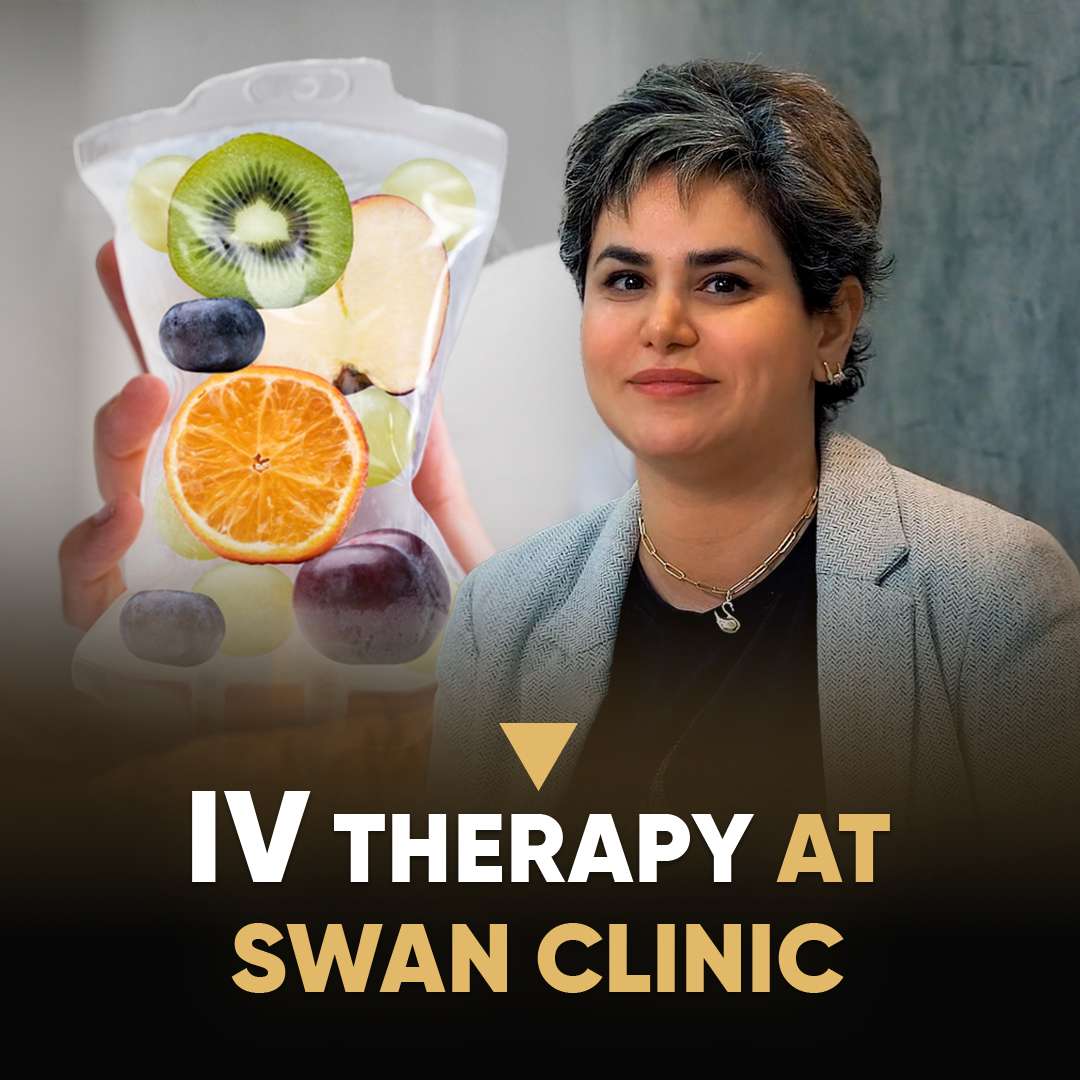
IV Therapy in Dubai: Boosting Health, Energy and Skin Vitality at Swan Clinic
In Dubai’s fast-paced lifestyle, it’s easy to feel drained, dehydrated, or simply not at your be


