
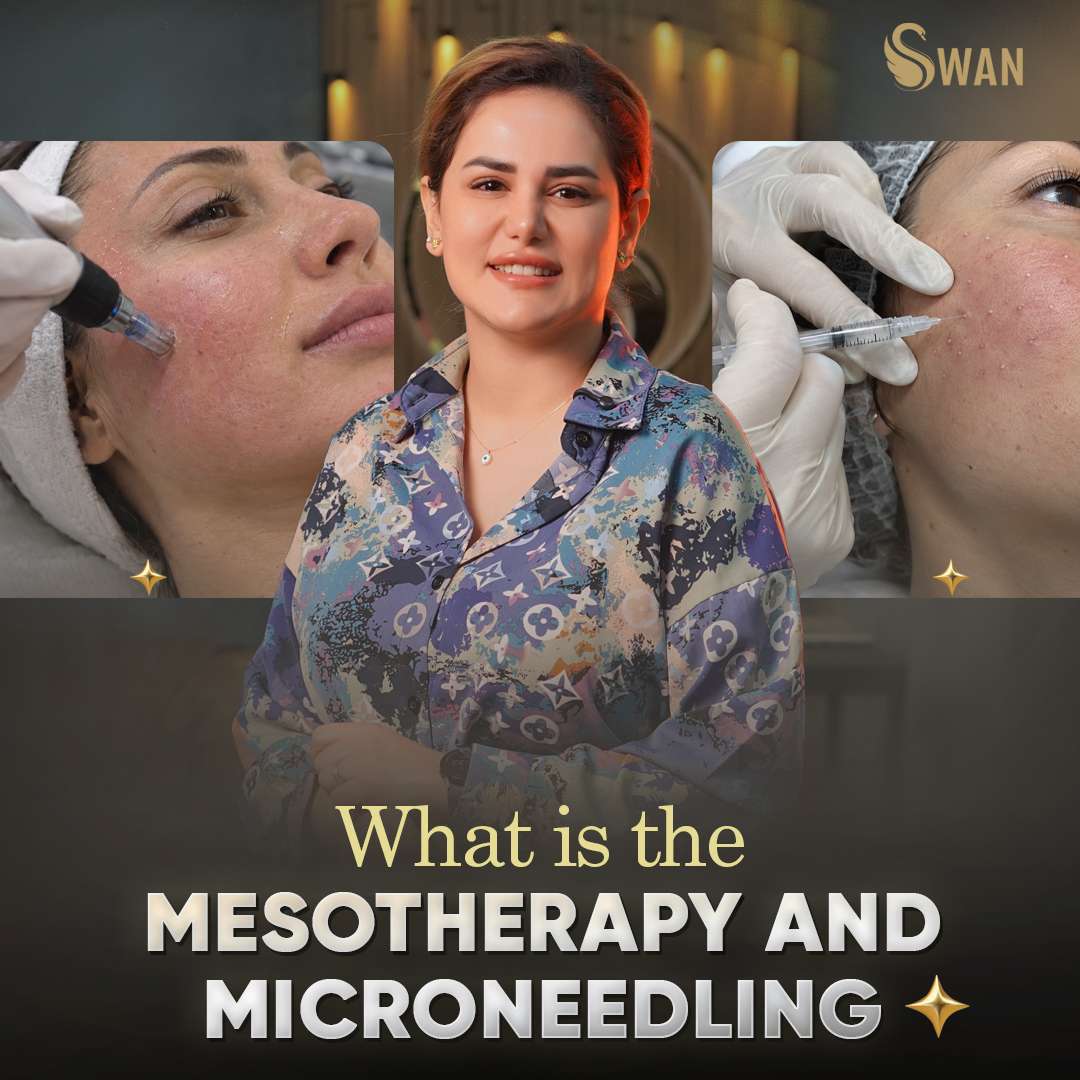
Mesotherapy and Microneedling in Dubai – Two Different Treatments, One Common Mix-Up
A client walks into a Dubai clinic asking for mesotherapy and walks out having had microneedling instead, and neither of them is wrong to be confused. Between the sun, the air conditioning, and a skincare market that markets both under the same “glow” language, the two get treated as interchangeable long before anyone explains what’s actually happening under the needle. The mechanisms are not the same procedure wearing two names, and the difference decides which one is worth booking first.
What mesotherapy actually does
Mesotherapy is a delivery method. Fine needles inject a solution, typically a blend of vitamins, amino acids, hyaluronic acid, or other actives, directly into the mid-layer of the skin. The goal is to bypass the outer barrier entirely and place nutrients where they can support cellular repair and hydration from within. It’s a targeted, formula-driven approach. What goes into the syringe determines what the skin gets, which is why the right formulation for one person’s dehydration can be the wrong one for someone dealing with a different concern entirely.
Where microneedling fits in
Microneedling works differently. Instead of injecting a solution, a device creates hundreds of controlled micro-injuries across the skin’s surface using fine needles arranged on a roller or pen tip. Those tiny channels trigger the body’s own wound-healing response: collagen production increases, circulation improves, and the skin’s texture gradually tightens and evens out over the following weeks. A 2024 review in the journal Cosmetics documented how microneedling supports the regulation of sebaceous activity and epidermal barrier function, part of why it’s used for everything from acne scarring to general texture concerns.
Here’s where it gets useful. The two techniques aren’t competing options. They’re often combined, with microneedling creating the channels and a mesotherapy-style solution applied during or immediately after to take advantage of that increased absorption. This is sometimes called microneedling mesotherapy, and it’s one of the more effective ways to address dullness, dehydration, and early signs of aging in a single session. Clients exploring Swan’s mesotherapy and microneedling combination often come in expecting to choose between the two, only to find the pairing delivers more than either would alone.
For anyone living in Dubai, that combination carries particular relevance. The skin here contends with a specific set of pressures: near-constant UV exposure for most of the year, the repeated shift between outdoor heat and air-conditioned interiors, and a level of humidity that swings dramatically depending on the season. That cycle strips moisture faster than most skin can replace it, and it accelerates the breakdown of collagen well before the signs would typically show up in a cooler climate. Vitamin-based mesotherapy addresses the hydration side of that equation directly. Microneedling’s collagen stimulation addresses the structural side.
Matching the concern to the treatment
So which one should a person actually start with? It depends less on preference and more on what the skin is showing, and it helps to lay out a few common patterns before deciding what to book first.
- Persistent dullness or a flat, tired-looking complexion that doesn’t improve with topical products usually responds well to mesotherapy, since the actives are delivered below the barrier that’s limiting absorption.
- Visible pores, acne scarring, or rough texture across the cheeks and forehead typically call for microneedling first, because the concern involves the skin’s structure rather than its hydration level.
- Early fine lines paired with dehydration, a combination that shows up often after a Dubai summer, generally benefits from the combined approach rather than either treatment alone.
- Sensitive or reactive skin that hasn’t tolerated other procedures well is worth discussing with a practitioner before either treatment, since needle depth and solution ingredients both need adjusting for reactivity.
None of this replaces an actual skin assessment. A practitioner looking at the skin directly, rather than at a description of it, will catch things a checklist can’t. But knowing where a concern falls generally makes that first consultation more productive, since it’s easier to explain what’s actually bothering you.
What to expect afterward
Aftercare for both treatments follows similar principles, though the intensity differs. Microneedling leaves the skin visibly pink for anywhere from a few hours to a full day, and sun protection becomes non-negotiable during that window since the barrier is temporarily more permeable. Mesotherapy tends to cause less visible redness but can leave small injection points that settle within a day. In both cases, avoiding heavy makeup, harsh actives, and direct sun for at least 24 to 48 hours gives the skin room to do the repair work the session triggered. This matters even more here than it would somewhere with milder sun, since stepping out into Dubai’s midday heat right after treatment undoes a good portion of what it was meant to achieve.
Results build over a series of sessions rather than appearing after one visit. Most protocols involve three to six treatments spaced two to four weeks apart, with hydration and glow becoming noticeable earlier and structural changes, like pore size and fine lines, taking longer to show. Clients who understand that going in tend to be more satisfied with the outcome because they aren’t measuring progress against an unrealistic timeline.
There’s a question worth addressing directly here too: does combining the two treatments mean more downtime or more risk? Generally, no. When done by a trained practitioner using an appropriate solution and needle depth for the individual’s skin, the combined approach carries a similar recovery window to microneedling alone, since the mesotherapy solution is absorbed through channels the microneedling already created rather than through separate injections. A recent multicenter study published through PMC found that a hyaluronate solution delivered via mesotherapy improved visible signs of aging with a favorable safety profile, supporting what practitioners have observed clinically for years about this delivery method.
What actually determines the outcome isn’t the treatment name. It’s whether the formula matches the skin, whether the needle depth is calibrated correctly, and whether the person administering it reads the skin in front of them rather than following a fixed protocol regardless of who’s on the table. That holds true whether someone is coming in for a standalone microneedling session, a vitamin-focused mesotherapy visit, or something built around PRP-enhanced microneedling for deeper collagen support.
Booking a plan at Swan Aesthetic Clinic Dubai
For clients who’ve already tried topical routines without seeing real change, or who’ve noticed their skin recovering more slowly from sun exposure than it used to, this is usually the point where an in-person assessment becomes worthwhile. A practitioner can look at hydration, texture, and elasticity together and recommend a starting point rather than leaving someone to guess between two treatments that sound similar but aren’t solving the same problem. Anyone weighing where to begin, whether that’s a vitamin-led approach or something closer to a skin booster protocol, is welcome to reach out through Swan’s contact page to arrange a consultation and get a plan built around what their skin is actually asking for.
Read Recent Articles

Microneedling Stem Cell Therapy
Aging is a natural part of life, but that doesn’t mean we have to surrender to its effects on
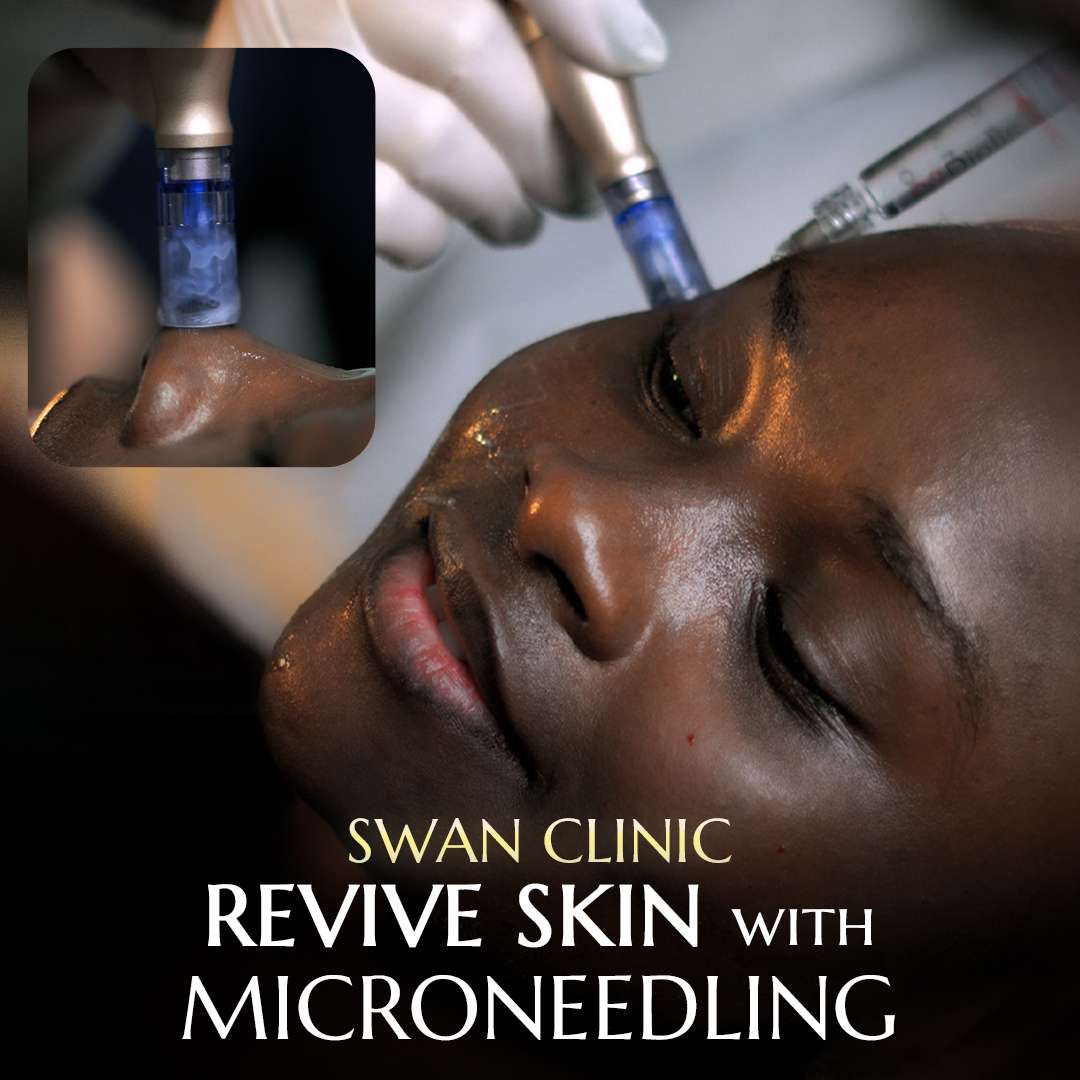
Deep Hydration And Radiance With Microneedling In Dubai
Reviving Skin in Dubai’s Climate Dubai’s environment places constant demands on the skin. Intens
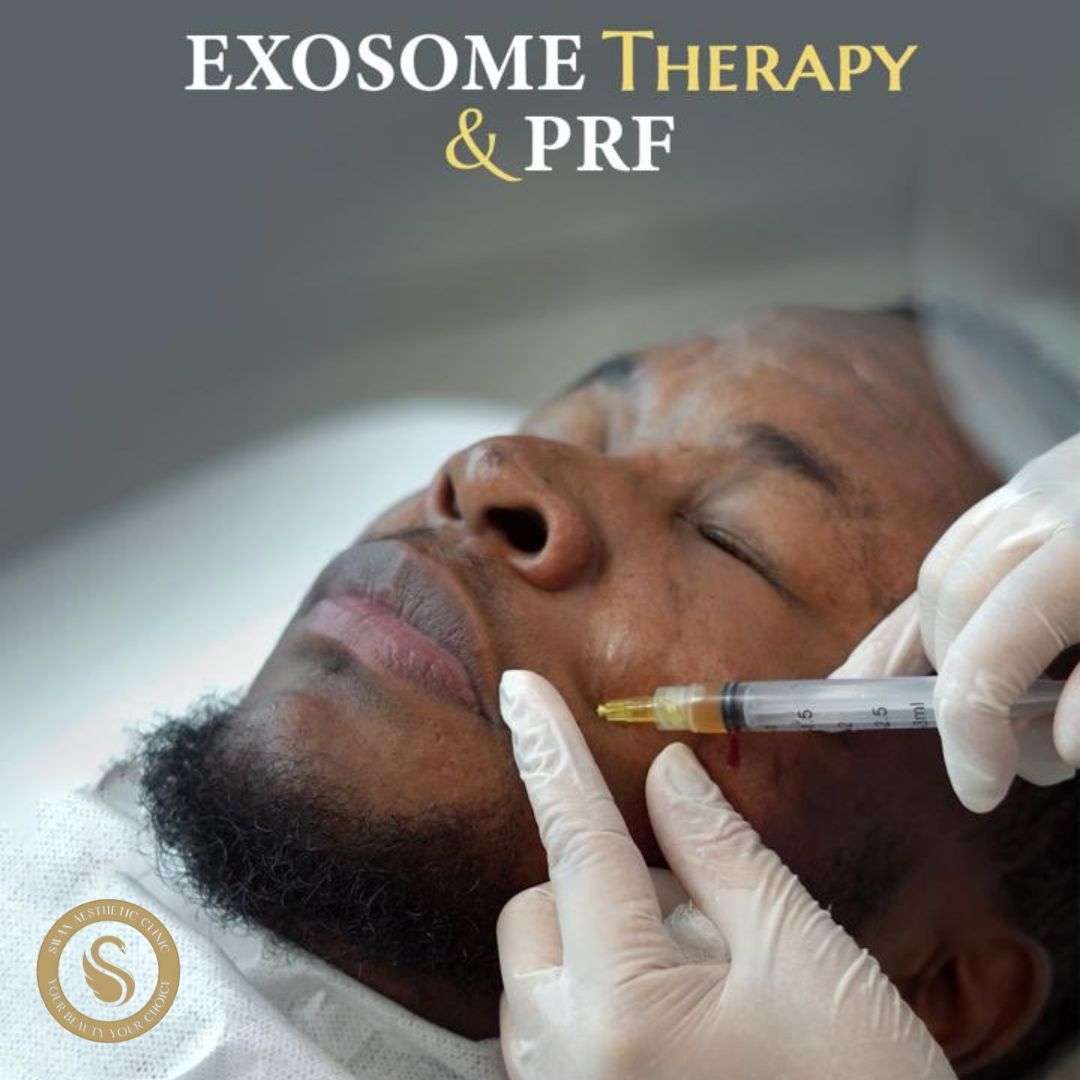
Face Exosome Treatment
Advanced Cellular Renewal for Radiant, Youthful Skin At Swan Aesthetic Clinic, we bring science and


